A newly released study has uncovered a profound and alarming health disparity within Canada's healthcare system, revealing that Black women face a significantly higher risk of dying from breast cancer compared to other groups.
The Stark Numbers Behind the Disparity
The research, published on December 07, 2025, indicates that Black women experience up to a 70 per cent higher breast cancer mortality rate. This statistic highlights a critical gap in health outcomes that demands immediate attention from medical professionals, policymakers, and community advocates.
The study's findings point to a complex web of factors contributing to this disparity. These are not simply biological differences but are deeply rooted in systemic issues within healthcare access and delivery.

Understanding the Root Causes
Experts analyzing the data suggest multiple interconnected reasons for this gap. Barriers to early screening and diagnosis play a major role, often influenced by socioeconomic factors, implicit bias in the healthcare system, and lack of culturally competent care. Later-stage diagnoses typically result in more complex treatments and poorer survival rates.
Furthermore, disparities may extend to the quality of treatment and follow-up care received. The study underscores that achieving equitable health outcomes requires looking beyond the disease itself to address the social determinants of health that disproportionately affect Black communities.
A Call for Action and Equitable Solutions
The publication of this data serves as a powerful call to action. Health advocates are urging for targeted interventions, including:
- Enhanced outreach and education programs within Black communities to promote early detection.
- Training for healthcare providers to address unconscious bias and improve patient communication.
- Increased research funding focused on health outcomes for racialized groups in Canada.
- Policy initiatives designed to remove systemic barriers to timely and high-quality care.
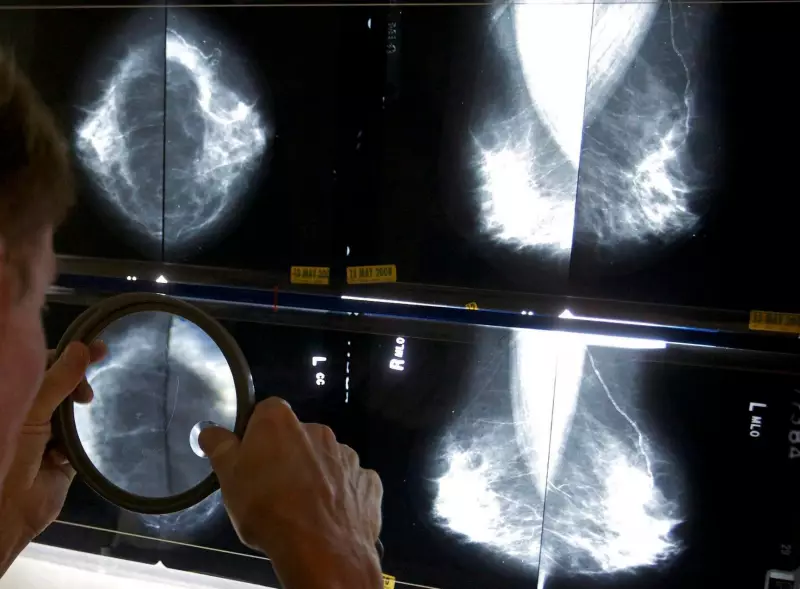
The visual of a radiologist examining a mammogram, as referenced in the original report, symbolizes the critical point of intervention. Ensuring all women have equitable access to this life-saving technology and subsequent care pathways is paramount.
This study, reported by Robin Della Corte, adds to a growing body of evidence on health inequities in Canada. It moves the conversation from acknowledging a problem to demanding measurable, systemic change to save lives and build a more just healthcare system for all.