Art lovers rejoice: A new study suggests that engaging with art and culture may help slow biological aging. The study, published in the Innovation of Aging journal on Monday, evaluated over 3,500 adults in the UK Household Longitudinal Study to analyze their level of engagement with art and culture between 2010 and 2012.
Researchers found that arts and cultural engagement had a comparable association with slowing certain biological aging clocks to that of physical activity. Unlike chronological age, which simply refers to how long you have been alive, biological age refers to how fast your cells, tissues, and organs are aging, according to the Cleveland Clinic.
"These results demonstrate the health impact of the arts at a biological level," Daisy Fancourt, a lead author of the study and professor of psychobiology and epidemiology at University College London, told The Guardian. "They provide evidence for arts and cultural engagement to be recognized as a health-promoting behavior in a similar way to exercise."

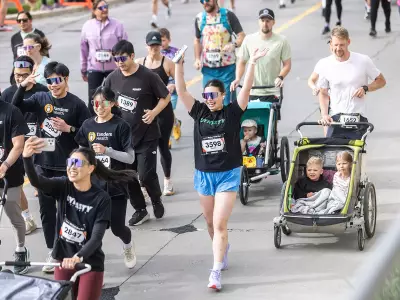
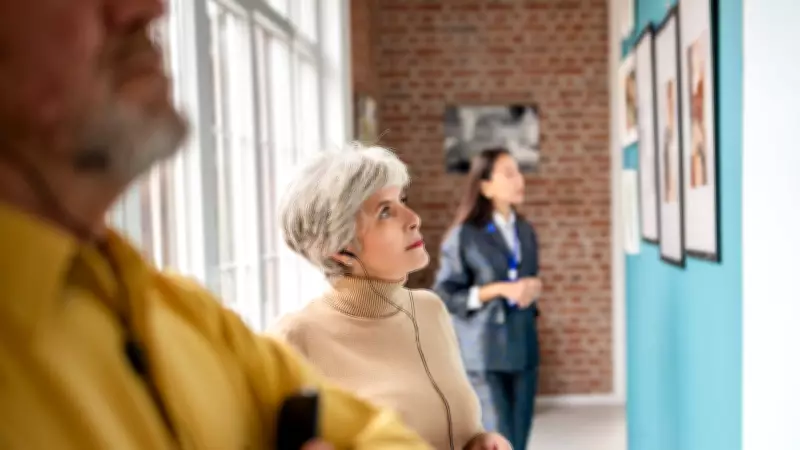
The researchers measured the volunteers' engagement in arts and culture by using a survey to determine if they had participated in any of the four following activities in 12 months: participatory arts (singing, dancing, painting, crafting, photographing), receptive arts (attending art exhibitions), visiting heritage sites (historic parks, historic buildings, monuments), or engaging in other cultural activities (museums, libraries, or archives). Engagement in arts and culture was also evaluated by the frequency and diversity of activities. The study noted that the diversity of activities was just as important as the frequency of engagement. Participants were also asked to record their engagement in sports-related activities, such as swimming, running, cycling, fishing, or yoga and pilates.
The researchers used blood samples from the participants to analyze their biological age. "We found in this study that 'arts engagement' was related to 4% slower aging rates, meaning people were about a year younger, biologically, if they were regularly engaged in the arts," Fancourt told NPR. "This is actually the same reduction in biological aging that we saw for physical activity."
The average age of the participants was 52.1. The findings were stronger for adults aged 40 and above, the study states. The authors pointed out several of the study's limitations. For starters, the participants were asked to self-report their engagement in arts and culture, which could introduce bias. Additionally, Eamonn Mallon, professor of evolutionary biology at the University of Leicester, who was not involved with the study, told CNN that it is important to note that while the study entails "carefully conducted" research, it is "possible that people who are biologically younger for their chronological age are simply more likely to get out and do things."
Feifei Bu, a co-author of the study and research fellow at University College London, told The Guardian that the study builds on "a growing body of evidence about the health impact of the arts." Arts activities have been "shown to reduce stress, lower inflammation and improve cardiovascular disease risk, just as exercise is known to do," she said. Researchers have emphasized that engaging in hobbies and mentally stimulating activities in adulthood could have many positive health benefits, including benefits to your cognitive health. A study published in 2025 found that older adults who regularly listened to or played music had a lower risk of developing dementia. As Dr. Arman Fesharaki-Zadeh, a behavioral neurologist and neuropsychiatrist at Yale Medicine in Connecticut, previously emphasized to HuffPost: "Being cognitively active throughout one's life can have a protective role" in brain health.