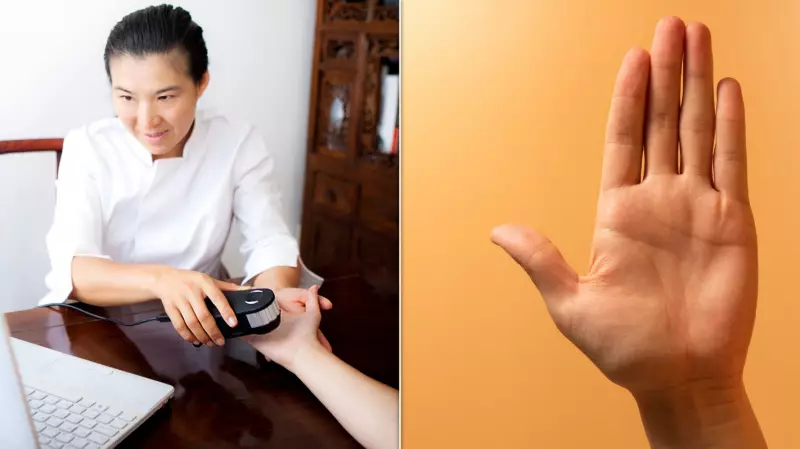
Palm Scanning Technology: Can Your Hand Reveal Health Secrets?
For generations, palmistry practitioners have suggested that the intricate lines on our hands could foretell personal destiny, from family size to romantic fortunes. However, a new technological development proposes a more scientific application: using your palm to gain meaningful insights into your physical wellbeing. This innovative approach centers on OligoScan technology, a device generating significant interest among wellness influencers and holistic health advocates for its potential to assess skin aging, energy levels, sleep patterns, and hair condition through a simple, non-invasive scan of the palm.
Understanding the OligoScan Device and Its Claims
The OligoScan is an FDA-approved spectrophotometric instrument that purports to measure concentrations of essential minerals and toxic heavy metals within the body without requiring a blood draw. The process utilizes tissue spectrophotometry, where light passes through the skin on the palm, and the reflected wavelengths are analyzed. The fundamental principle suggests that different minerals and metals absorb and reflect light in unique patterns, allowing the device to interpret these signatures.
Specifically, the scan targets beneficial minerals such as magnesium, zinc, selenium, calcium, iron, copper, chromium, and iodine, alongside potentially harmful heavy metals including mercury, lead, cadmium, arsenic, and aluminum. Dr. Barbara Kubicka, an aesthetic physician based in West London, clarifies the distinction from conventional testing methods. "Minerals and heavy metals tend to accumulate in tissues over time, and the palm provides a reliable, low pigment site for assessment," she explained. Unlike standard bloodwork that measures circulating levels, the scan aims to capture what is present in your system at that precise moment.

Accessibility and cost are practical considerations. In the United States, prices typically range from approximately $160 for a basic scan to $400 or more for comprehensive analysis. These services are generally not covered by insurance plans. Interested individuals can seek appointments at specialized clinics, wellness centers with dermatologists, or functional medicine practitioners, usually without needing a physician referral.
The Documented Connection Between Nutrition and Skin Health
Extensive research confirms that dietary intake significantly influences skin condition and overall appearance. A notable U.S. national survey revealed widespread nutritional gaps:
- 94.3% of Americans do not meet daily vitamin D requirements
- 45% fall short on adequate vitamin A intake
- 84% lack sufficient vitamin E
- 15% do not obtain enough zinc
Dr. Shamsa Kanwal, a board-certified dermatologist with over a decade of experience, emphasizes how these deficiencies can manifest physically. "True nutrient deficiencies can show up as dryness, slow healing, brittle nails or hair shedding," she stated. She further notes that numerous skin maintenance processes rely on proper mineral balance. For instance, low magnesium levels can disrupt sleep patterns, while excessive lead exposure may contribute to persistent fatigue and headaches. These imbalances can directly affect skin and hair vitality, impacting antioxidant protection, collagen synthesis, and cellular repair mechanisms, potentially leading to dryness, delayed healing, or a general dull appearance.
Real-World Application and Patient Experiences
Consider the case of Hayley Atkinson, a 36-year-old who experienced unexplained hair thinning and constant fatigue. Standard supplements provided no relief. Following an OligoScan that indicated elevated heavy metal levels, she collaborated with Dr. Kubicka to develop a targeted intervention plan. "Generic supplements were not making any changes, and what I needed was a targeted plan that supported my diet and lifestyle," Atkinson shared. Her scan results, analyzed alongside her medical history, lifestyle factors, stress levels, and specific skin concerns, enabled the creation of a personalized regimen involving dietary adjustments, detox support, gut health interventions, and follow-up monitoring to track improvements in both biomarker levels and symptoms.

Medical Perspectives and Scientific Validation
Both Dr. Kanwal and Dr. Kubicka stress a crucial point: OligoScan should not replace conventional medical testing. Dr. Kanwal describes it as "a functional snapshot of long-term mineral status and toxic burden" that might identify imbalances affecting the aging process. For individuals who have not found answers through standard treatments, the scan could potentially highlight issues that routine bloodwork might overlook. Common findings reportedly include low antioxidant levels, mineral deficiencies, and heavy metal accumulation, which can contribute to oxidative stress and inflammation—factors that might explain persistent symptoms like fatigue or lackluster skin even when traditional lab results appear normal.
However, the scientific validation of OligoScan remains a topic of discussion. While the technology has gained traction in regions such as Australia, the United Kingdom, and the Middle East, independent peer-reviewed studies appear limited. Practitioners who utilize the device consistently emphasize its role as a complementary tool within a broader diagnostic framework, not a standalone replacement for established medical assessments.
Conclusion: A Piece of the Health Puzzle
The relationship between nutrition and skin health is well-established and extensively documented. Whether a palm scan represents the optimal method to uncover specific nutritional issues or toxic exposures continues to be debated within the medical community. While your palm may not reliably predict your romantic future, if you are curious about OligoScan technology, approach it as one component of a comprehensive health evaluation. Ideally, this should be guided by a qualified medical professional who can interpret the results within the full context of your health profile and recommend evidence-based next steps for any identified concerns.