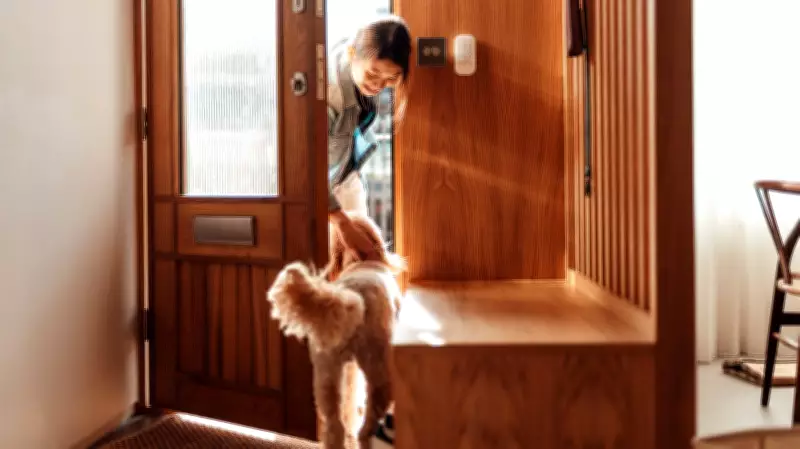
Any dog owner knows the personal shame that arises when you're about to leave the house. Your dog may react the moment you put on your shoes, close your laptop, grab your keys, or throw on a jacket. They might whine, bark, or pace by the door as you leave.
It's easy to feel a pang of guilt or wonder if they're experiencing a kind of FOMO, especially when those cues usually mean you're heading out. Dogs are brilliant at spotting patterns in human behavior, explains Caroline Wilkinson, canine behaviorist at Forthglade and founder of Barket Place. They stack up cues like keys being picked up or shoes going on as they try to make sense of a moment that signals change.
Dr. Matthew Murdoch, veterinarian and director of Ferndale Kennels, notes that dogs are highly social animals, so being excluded can trigger a stress response similar to human social rejection. If they feel fear and anxiety triggered by something's removal, they may exhibit symptoms of FAS (fear, anxiety, stress), including subtle body language changes like lip licking, or more dramatic behaviors like trembling, barking, running in circles, or destructive actions.

Why Some Dogs Struggle When Left Out
Wilkinson explains that what looks like FOMO is often a mix of learned experience, emotional association, anticipation, and unmet needs. When a dog's core needs aren't met, being left alone can be harder to navigate. A dog who hasn't had enough physical exercise, mental enrichment, or social interaction might simply be bored when left alone, leading to barking, whining, or destructive behavior as an outlet.
Some reactions may be shaped by what has worked for the dog in the past. Even small responses can reinforce the idea that certain behaviors lead to attention. Dogs repeat what works, Wilkinson says. If a dog barks and gets attention, they learn that barking leads to interaction.
Age also plays a role. Puppies and adolescent dogs lack emotional regulation skills, making them prone to intense responses like destructive chewing and vocalization when excluded, says Dr. Athena Gaffud, veterinarian and medical advisor to TrustedHousesitters. Senior dogs experiencing cognitive decline may become more unsettled when routines shift.
Simple Ways to Build Calm and Independence at Home
If your dog shows stress when you perform exit cues, seek support from your vet and an ethical behaviorist. However, there are simple ways to ease tension. Try separating the cue from the expected outcome at random times, suggests Wilkinson. Put on your shoes then cook dinner, or pick up your keys and sit back down with tea. This changes how your dog feels about the cues.
Pair those cues with relaxing activities. For example, pick up your keys then toss treats into the yard for your dog to sniff out. Scentwork creates feel-good hormones in dogs, Wilkinson says. Or put on your shoes and do a little training, so shoes going on means interaction opportunities instead of abandonment.
Create a clear signal that tells your dog whether they're coming or staying. Use a specific phrase like "be back soon" before any absence, building up the time your dog can cope from seconds to minutes to a couple of hours. When dogs feel confident about what's happening, they settle better, reducing challenging behaviors like barking or destructive chewing.