Saskatchewan Sees Decline in Overdose Fatalities for 2025, But Recent Spike Alarms Officials
The Saskatchewan Coroners Service has released preliminary data indicating a notable decrease in overdose-related deaths throughout the province for the year 2025. This development offers a glimmer of hope in the ongoing battle against the opioid crisis that has affected communities across Canada. However, this positive trend is tempered by a significant and concerning spike in fatalities reported just last month, underscoring the persistent and volatile nature of this public health emergency.
A Year of Progress, A Month of Setback
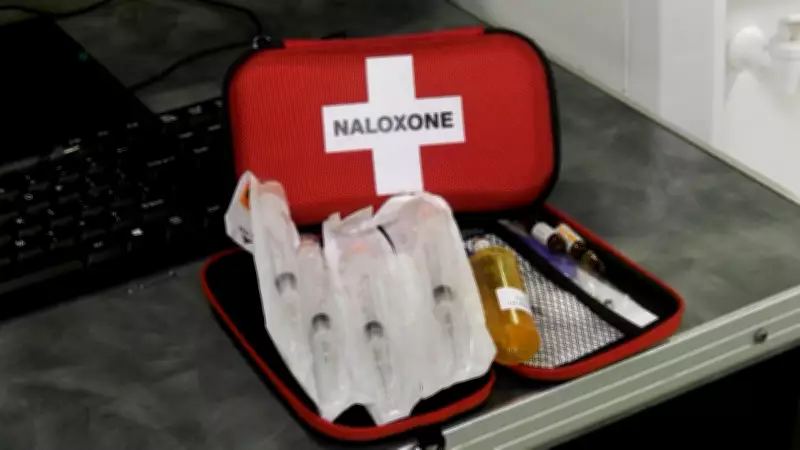
While the full annual report for 2025 is still being finalized, early figures suggest a downward trajectory in the number of lives lost to drug overdoses compared to previous years. Public health advocates and officials have cautiously welcomed this news, attributing the potential decline to a combination of expanded harm reduction services, increased availability of naloxone kits, and broader public awareness campaigns. Naloxone, a life-saving medication that can rapidly reverse the effects of an opioid overdose, has become a critical tool in community and emergency response efforts.
Despite the annual improvement, the data reveals a stark and sudden increase in overdose deaths during the most recent reporting month. This alarming spike has reignited concerns among healthcare providers, community organizations, and families affected by substance use. The precise factors behind this sudden surge are under investigation, but experts suggest it may be linked to the unpredictable potency and composition of illicit drugs circulating in the community, often contaminated with powerful synthetic opioids like fentanyl.

The Broader Context of a National Crisis
Saskatchewan's experience mirrors the complex and uneven progress seen across Canada in addressing the overdose crisis. The report from the coroner serves as a crucial reminder that while annual statistics can show improvement, the situation remains fragile and subject to rapid change. The recent monthly spike highlights the need for sustained, adaptable, and well-funded public health interventions.
Key components of an effective response continue to include:
- Ensuring widespread access to naloxone and training for its use.
- Supporting supervised consumption sites and other harm reduction services.
- Expanding access to evidence-based treatment and recovery programs.
- Addressing the underlying social determinants of health, such as housing, mental health support, and poverty.
The coroner's data, showing both annual progress and a recent setback, underscores that the fight against the overdose crisis is far from over. It calls for a continued, multi-faceted approach that combines emergency response with long-term strategies for prevention, treatment, and support for individuals and communities grappling with substance use and addiction.