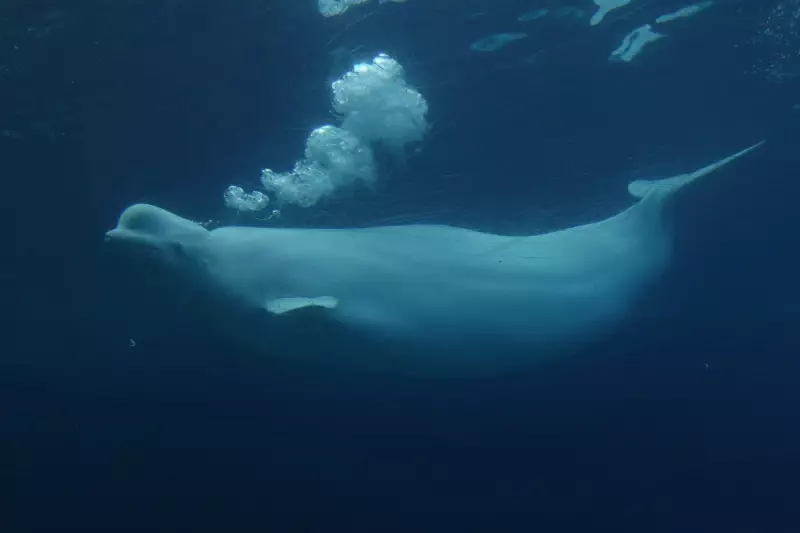
Federal Authorities Issue Conditional Authorization for Beluga Whale Export from Marineland
The Canadian government, through its regulatory body in Ottawa, has granted a conditional approval to Marineland, the amusement park located in Niagara Falls, Ontario, for the export of its remaining beluga whales. This decision comes after a comprehensive evaluation of the proposed transfer, focusing on animal welfare, conservation implications, and compliance with international standards.
Details of the Conditional Approval
The authorization is not unconditional; it includes specific requirements that Marineland must meet to ensure the well-being of the belugas during and after the export process. These conditions likely involve veterinary oversight, transportation protocols, and guarantees regarding the receiving facilities' capabilities to house and care for the marine mammals appropriately. The exact number of belugas affected has not been disclosed in the initial announcement, but it pertains to the remaining population at the park.
Background and Context
Marineland has been a subject of public and regulatory scrutiny regarding its marine mammal exhibits for several years. In 2023, images and reports highlighted the conditions of beluga whales at the facility, sparking debates about captivity and conservation. This conditional export approval may represent a step towards reducing the park's marine mammal inventory, aligning with evolving public sentiment and regulatory pressures concerning aquatic animal welfare in entertainment settings.

The decision underscores the balancing act between business operations in the tourism sector and ethical considerations for wildlife. It also reflects Canada's adherence to international agreements, such as the Convention on International Trade in Endangered Species (CITES), which regulates the cross-border movement of species like belugas to prevent exploitation and ensure survival in the wild.
Implications and Next Steps
With this conditional OK, Marineland can proceed with export plans, but must adhere strictly to the outlined conditions. Failure to comply could result in revocation of the authorization. Animal rights organizations and conservation groups are likely to monitor the situation closely, advocating for transparency and the highest standards of care during the transition.
This development may influence broader discussions on the future of marine parks in Canada, potentially leading to more stringent regulations or phased reductions in captive marine mammal displays. For now, the focus remains on ensuring the safe and humane transfer of these beluga whales to their new destinations, wherever they may be internationally.