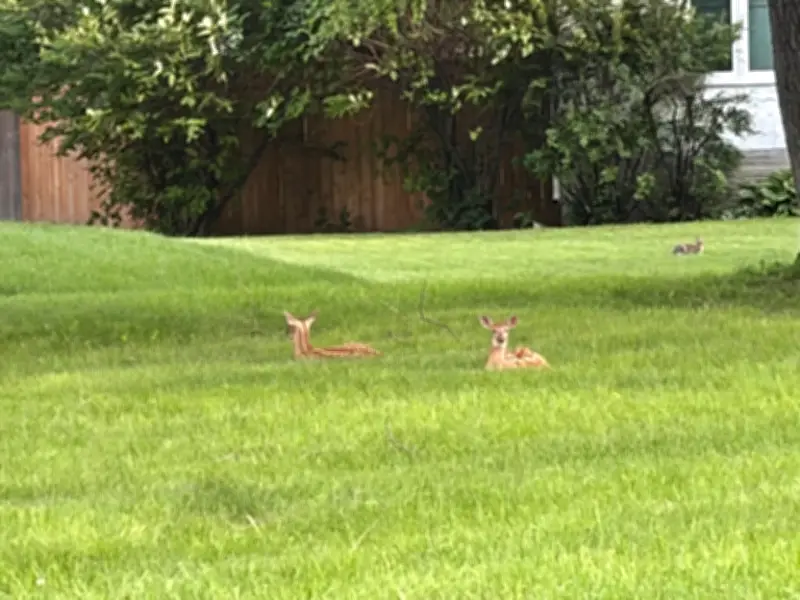
Wildlife experts are urging the public to resist the urge to approach or rescue baby deer that appear to be alone, as mothers often leave their fawns unattended for extended periods while they forage for food. A recent incident in a Winnipeg neighbourhood, where a mother deer was caught on video caring for her two fawns, highlights the importance of leaving these animals undisturbed.
The Natural Behavior of Mother Deer
According to wildlife officials, it is common for female deer to leave their newborn fawns hidden in vegetation for up to 12 hours at a time. The mother returns periodically to nurse and move the fawn to a new location. This behavior reduces the risk of attracting predators to the vulnerable young. Fawns are born with a natural instinct to stay still and quiet, relying on their spotted coat for camouflage.
"If you see a fawn alone, do not assume it has been abandoned," said a spokesperson for Manitoba Conservation. "The mother is likely nearby, watching from a distance. Interfering can cause more harm than good."

Risks of Human Intervention
Approaching or handling a fawn can lead to several negative outcomes. The mother may abandon the fawn if she detects human scent on it. In some cases, well-meaning individuals have taken fawns into their homes or attempted to feed them, which can cause severe digestive issues or death. Additionally, handling wildlife can expose humans to ticks, parasites, and diseases.
"We strongly advise people to keep their distance and not to touch the animal," the spokesperson added. "If you are concerned, contact a licensed wildlife rehabilitator."
What to Do If You Find a Fawn
If you encounter a fawn that appears to be alone, observe from a distance for several hours. Signs that the fawn may truly be orphaned include visible injuries, flies or maggots around the eyes or ears, or if it is lying on its side rather than tucked in a curled position. In such cases, contact local wildlife authorities rather than attempting to intervene yourself.
"The best thing you can do is leave it alone and monitor from afar," the conservation official said. "In most cases, the mother will return."