Injured Snowy Owl Rescued in Drumheller, Receiving Specialized Care at Alberta Wildlife Institute
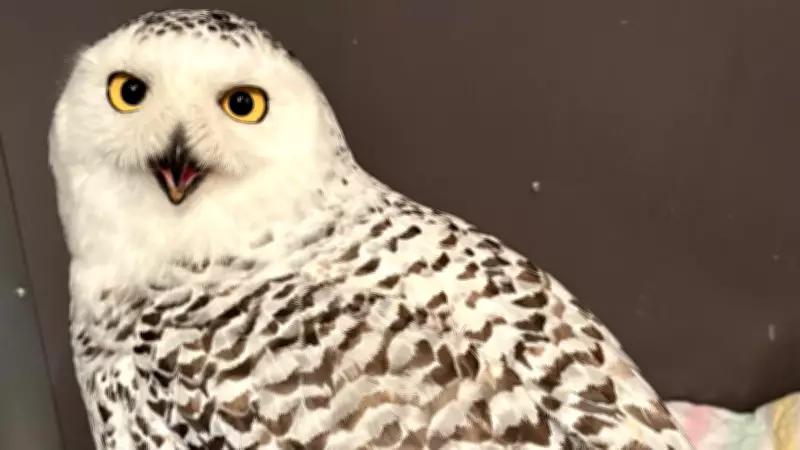
An injured snowy owl was discovered in the Drumheller area on February 8, 2026, and has since been transported to the Alberta Institute for Wildlife Conservation (AIWC) for urgent medical treatment and rehabilitation. The majestic bird, a symbol of the Arctic and northern regions, was found in a vulnerable state, prompting immediate action from local wildlife responders.
Discovery and Initial Response
The snowy owl was located by a concerned resident in Drumheller, a town known for its striking badlands landscape in Alberta, Canada. Upon discovery, the owl exhibited signs of injury, though specific details regarding the nature or cause of the harm have not been publicly disclosed by authorities. Wildlife experts from the AIWC were promptly notified and arranged for the owl's safe retrieval.
The rescue operation underscores the critical role that community members play in wildlife conservation efforts. Quick reporting of injured animals can significantly increase their chances of survival and recovery. In this case, the timely intervention allowed the AIWC team to assess the owl's condition and begin necessary treatments without delay.

Care and Rehabilitation at AIWC
The Alberta Institute for Wildlife Conservation, a dedicated facility specializing in the care of injured and orphaned wild animals, has taken the snowy owl under its wing. The institute's staff, including veterinarians and rehabilitation specialists, are providing round-the-clock care to address the owl's injuries and ensure its well-being.
Snowy owls are particularly sensitive to human intervention, requiring expert handling to minimize stress during recovery. The AIWC team is following strict protocols to monitor the owl's health, including dietary needs, physical therapy, and medical interventions as required. The goal is to rehabilitate the bird to a point where it can be safely released back into its natural habitat.
Importance of Snowy Owl Conservation
Snowy owls are iconic birds of prey native to the Arctic regions, but they occasionally migrate south during winter months, sometimes venturing into areas like Alberta. Their presence in southern Canada is a reminder of the interconnectedness of ecosystems and the impacts of environmental changes.
- Population Challenges: Snowy owls face threats from habitat loss, climate change, and human activities, making rescue efforts like this one vital for their conservation.
- Educational Value: Incidents involving injured wildlife provide opportunities for public education on how to coexist with native species and support conservation initiatives.
- Research Insights: Each rescue case contributes valuable data to wildlife studies, helping scientists better understand the health and behavior of snowy owls in changing environments.
The AIWC has not provided a timeline for the owl's release, as recovery depends on the severity of its injuries and its response to treatment. However, the institute remains committed to giving the bird the best possible chance at a full recovery and eventual return to the wild.
Community and Environmental Impact
This rescue highlights the broader efforts of wildlife organizations across Alberta to protect and rehabilitate native species. The AIWC, supported by donations and volunteer work, plays a crucial role in these endeavors, handling hundreds of animals each year.
As climate change and urban expansion continue to affect wildlife habitats, such rescue operations become increasingly important. They not only save individual animals but also raise awareness about the need for sustainable practices and wildlife-friendly policies. The snowy owl's story serves as a poignant example of how community vigilance and professional care can make a difference in preserving Alberta's natural heritage.
Updates on the owl's condition may be released by the AIWC as it progresses through rehabilitation, offering hope for a successful outcome to this heartwarming rescue tale.