France has officially rejected a plan to transfer its last two captive orcas to a proposed whale sanctuary in Nova Scotia, according to a statement from the French government. The decision, announced on May 15, 2026, dashes hopes of relocating the orcas from the Marineland Antibes park to the Whale Sanctuary Project site near Port Hilford, N.S.
French Government Cites Health and Readiness Concerns
The French Ministry of Ecological Transition stated that the transfer would pose unacceptable risks to the orcas' health and well-being. Officials pointed to the advanced age of the two whales and the sanctuary's incomplete infrastructure as primary reasons for the rejection. The sanctuary, which aims to provide a natural sea pen environment for retired captive whales, is still under development and lacks necessary approvals from Canadian authorities.
“We have carefully evaluated the proposal and concluded that it does not meet the stringent welfare standards required for such a complex operation,” a ministry spokesperson said. “The well-being of these animals remains our top priority.”

Whale Sanctuary Project Responds
The Whale Sanctuary Project expressed deep disappointment with France's decision. In a statement, the organization said it had invested years of planning and millions of dollars to create a suitable habitat for the orcas. “We believe our sanctuary could have provided a dignified retirement for these whales, who have spent decades in captivity,” said Lori Marino, president of the Whale Sanctuary Project. “We urge France to reconsider and engage in further dialogue.”
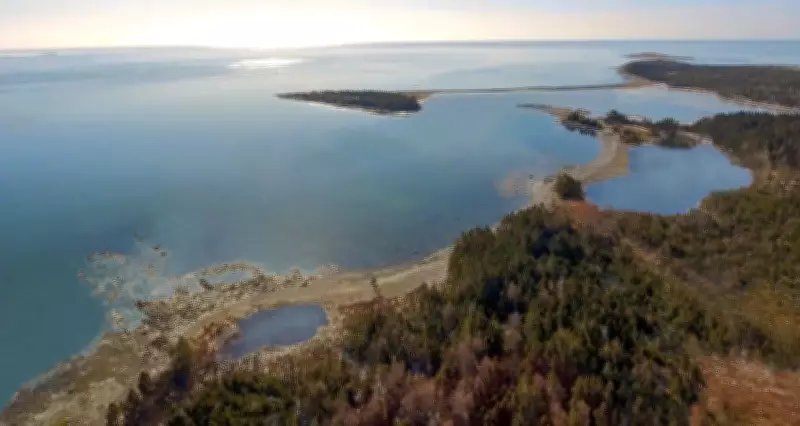
The sanctuary site, located in a sheltered bay in Sherbrooke, Nova Scotia, was designed to offer a more natural environment than concrete tanks. The project has faced delays due to regulatory hurdles and funding challenges.
Implications for Captive Whale Welfare
The rejection highlights ongoing debates about the fate of captive marine mammals worldwide. Animal welfare advocates argue that sanctuaries offer a humane alternative to entertainment parks, while critics question the feasibility and safety of such relocations. France's decision may set a precedent for other countries considering similar transfers.
Marineland Antibes, which houses the last two captive orcas in France, has faced pressure from activists to release the animals. The park has not commented on the government's decision.