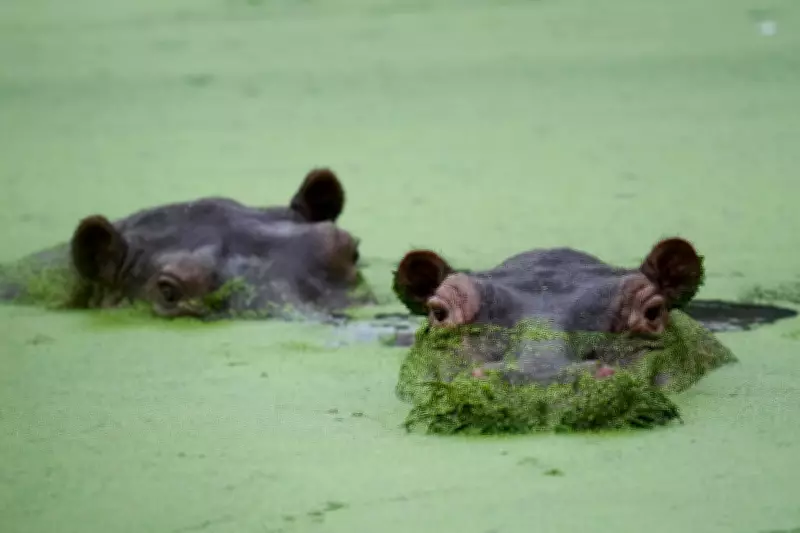
Colombians remain deeply divided over the fate of a growing hippopotamus population that traces its origins to the private menagerie of the late drug lord Pablo Escobar. The hippos, which have multiplied in the years since Escobar's death, now roam freely in the Magdalena River basin, posing ecological and safety concerns.
Background of the Hippo Problem
In the 1980s, Escobar illegally imported four hippos to his Hacienda Napoles estate in Puerto Triunfo, Colombia. After his death in 1993, the hippos were left to fend for themselves and have since bred prolifically. Today, their numbers are estimated at over 150, and they have expanded their range into nearby waterways.
Environmental Impact
The hippos are considered an invasive species that disrupts local ecosystems. Their waste alters water chemistry, and their grazing habits damage vegetation. Scientists warn that if left unchecked, the population could grow to hundreds within decades, threatening native wildlife and human communities.

Divided Opinions
Some Colombians advocate for culling the hippos to control their numbers, citing the need to protect biodiversity. Others, including animal rights groups, argue for non-lethal methods such as sterilization or relocation to sanctuaries. The government has yet to reach a consensus, with local authorities and environmental agencies debating the best course of action.
Meanwhile, the hippos have become a tourist attraction, drawing visitors to the region and providing economic benefits. This has further complicated the debate, as some residents fear that culling could harm local tourism.
Efforts to sterilize the hippos have proven challenging due to their size and aggressive nature. Relocation is also difficult, as few countries are willing to accept the animals. As the population continues to grow, the pressure on Colombian authorities to find a sustainable solution intensifies.