Nova Scotia Wind Farm Project Clears Environmental Hurdle, Construction Timeline Confirmed
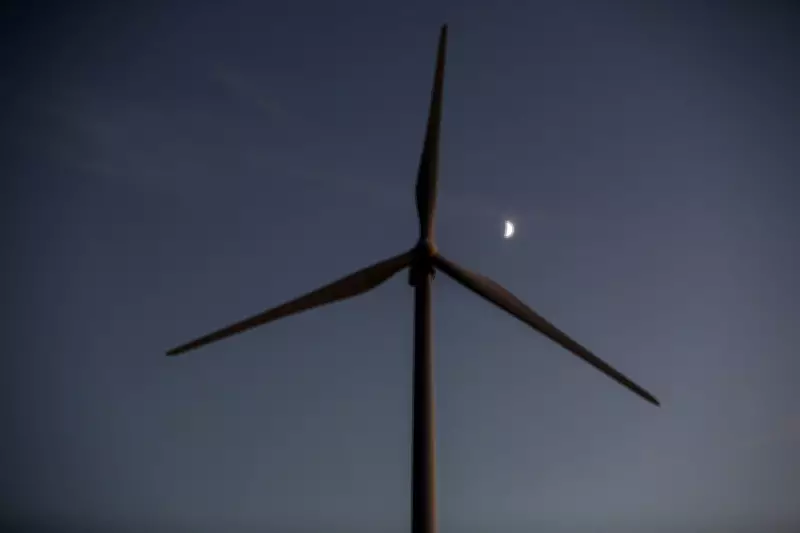
A significant wind energy development in Nova Scotia has officially received environmental assessment approval, paving the way for construction to commence before the end of the year. This milestone represents a crucial advancement in the province's commitment to expanding its renewable energy infrastructure and reducing reliance on fossil fuels.
Project Details and Regulatory Green Light
The wind farm project, which has been under review for an extended period, successfully navigated the rigorous environmental assessment process conducted by provincial authorities. This approval confirms that the proposed development meets all necessary environmental standards and regulatory requirements, addressing concerns related to wildlife impact, noise levels, and visual aesthetics.
Construction is slated to begin in 2026, with preliminary site preparation work expected to start in the coming months. The project timeline indicates that turbine installation and infrastructure development will proceed through multiple phases, potentially creating hundreds of jobs during the construction period and dozens of permanent positions once operational.

Renewable Energy Expansion in Atlantic Canada
This approval comes at a time when Nova Scotia and other Atlantic provinces are actively pursuing ambitious renewable energy targets. The wind farm represents a substantial investment in clean energy infrastructure that will contribute significantly to the provincial grid's capacity.
The development aligns with broader regional efforts to transition toward sustainable energy sources, potentially reducing greenhouse gas emissions by displacing electricity generation from conventional power plants. Industry analysts suggest this project could serve as a model for future renewable energy developments throughout Atlantic Canada.
Community Impact and Economic Considerations
Local communities near the proposed wind farm site have expressed mixed reactions to the development. While some residents welcome the economic opportunities and environmental benefits, others have raised concerns about potential impacts on property values and rural landscapes.
Project developers have committed to implementing mitigation measures to address community concerns, including:
- Establishing setback distances from residential properties
- Implementing wildlife monitoring programs
- Creating community benefit agreements
- Developing decommissioning plans for turbine end-of-life
The wind farm's approval represents a balancing act between environmental protection, energy needs, and community interests—a challenge increasingly common as renewable energy projects expand across Canada.