Canada-China cooperation on energy is growing quickly, as the urgency to lock in Asian buyers has never been greater. These projects are not threats to Canadian sovereignty; they are customers, investors, taxpayers and job creators in Canada's most vital economic sector.
Global Energy Show Highlights Pragmatic Partnership
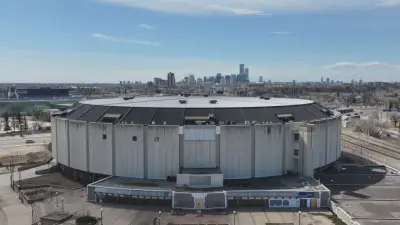
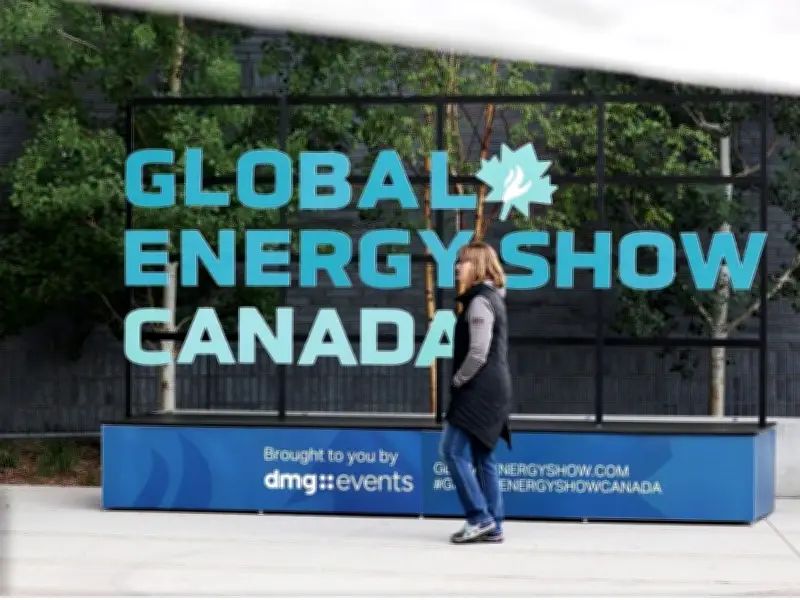
Delegates attended the Global Energy Show Canada at the BMO Centre in Calgary on Tuesday, June 9, 2026. The event featured the Canada–China Energy Innovation & Investment Forum, which drew a packed crowd of over 400 people, including entrepreneurs, executives and policymakers.
Wenran Jiang, a guest columnist and veteran facilitator of Canada-China energy exchanges, moderated a panel at the forum. He noted that after years of frosty diplomacy, the two countries are quietly getting back to business with a refreshing sense of pragmatism. The atmosphere was devoid of moral grandstanding or geopolitical suspicion, focusing instead on measurable value.

Key Takeaways from the Forum
- The PRC Consul General and Alberta provincial representative spoke like businesspeople, emphasizing enterprise collaboration, investment, and job creation.
- Heads of PetroChina Canada and LNGC (LNG Canada) highlighted growth trajectories and market necessity.
- Over 50% of volumes on the expanded Trans Mountain Pipeline are now destined for Chinese buyers, fetching higher prices than in the U.S. market.
- Since starting operations last summer, LNG Canada has shipped 100 cargoes to the Asia-Pacific region.
Prime Minister Mark Carney has listed LNG Canada Phase II as his government's top national infrastructure priority, and several West Coast LNG startups are racing to secure final investment decisions. The urgency to lock in Asian buyers has never been greater.
Next-Gen Energy Systems
The panel on next-generation energy systems covered infrastructure, electrification, and artificial intelligence. It moved beyond the old debate of oil versus renewables, focusing on integration. AI is now being judged by its return on investment, meaning it must save money or increase efficiency to survive.
Canada–China energy cooperation is no longer a theoretical exercise. It is happening now, driven by market forces and technological necessity. For Canada, this is a path to greater prosperity and security.