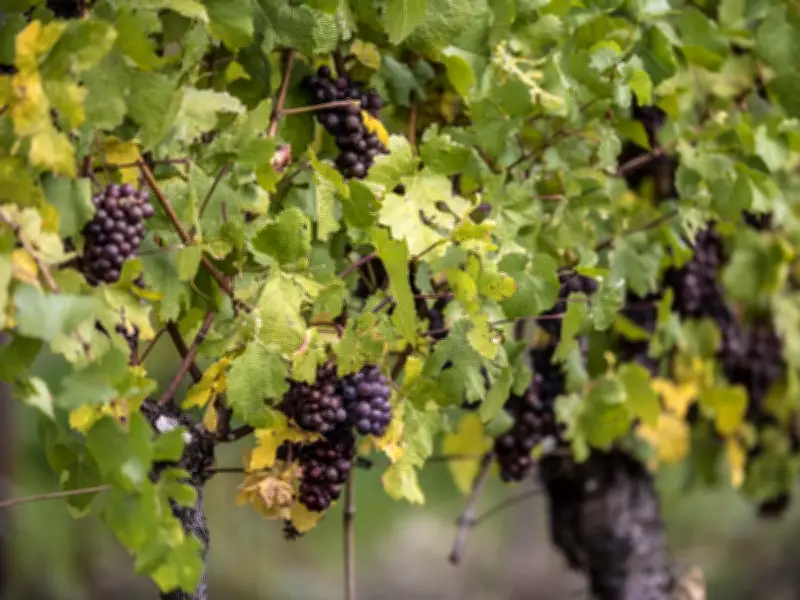
B.C. Pinot Gris has become a legitimate shape-shifter in the local market, evolving from a simple, often slightly sweet white into a drier, more site-expressive wine that commands respect at the dinner table. Over the past decade, winemakers have shifted away from fruit-salad profiles with residual sugar toward wines with better texture, mineral undertones, and a growing confidence in letting the grape tell a richer story.
From Sweet to Savoury: The Evolution of B.C. Pinot Gris
One of the early pioneer grapes in British Columbia, Pinot Gris began as an early-to-market white that was reliable but unremarkable. Today, the varietal has dried out its finish and found a more respectable place alongside food. According to wine columnist Anthony Gismondi, the shift is a deliberate decision by some winemakers to pick earlier, lean into acidity, and experiment with texture through increased lees work, partial skin contact, and even concrete fermentation. The result is a new generation of Gris that is tighter, more linear, and focused on precision, with more structured, almost savoury versions.
Regional Differences: Okanagan vs. Cowichan Valley
In the Okanagan, Pinot Gris vacillates between ripeness and restraint. Warm sites from Oliver to Osoyoos push the grape toward peach, melon, and honeyed notes, often with a round, plush mid-palate. Move north or climb into the benches of Naramata or Summerland, and the tone changes to pear, apple skin, citrus, and a subtle desert scrub note. The best examples carry a mineral wet stone undercurrent and tactile firmness that elevates them beyond simple fruit.

On the coast, particularly in the Cowichan Valley, Pinot Gris tells a different story built around tension and salinity. The fruit is brighter — green apple and citrus — and the wines finish with a freshness that demands seafood. This is a story of nuance over popularity, according to Gismondi.
Food-Friendly and Increasingly Recognized
The evolution makes Pinot Gris far more interesting as a food wine, endearing the variety to restaurant buyers and increasing its image among consumers as a quality choice. Gismondi notes that when a wine bottle sits on the table for 30 or 40 minutes with food, it gets better label recognition and recall when shopping. B.C. Pinot Gris is finally penetrating that level of recognition.
While Pinot Gris may never reach the heights of Chardonnay or Sauvignon Blanc — often rated in the 88-89-point range by serious critics — there are outliers outperforming the crowd. For many white wine drinkers, it remains a safe, approachable pick, but in B.C., it has become one of the most reliable and increasingly affordable buys.