Atlantic Canada's Offshore Wind Potential Is Substantial Yet Underestimated in Projections
A recent analysis has uncovered that Atlantic Canada possesses a significant offshore wind energy capacity, though it is less than previously anticipated in earlier forecasts. The report, released in February 2026, underscores the region's vast potential for harnessing wind power from its coastal waters, while also pointing to revised estimates that suggest a more tempered outlook compared to initial projections.
Key Findings from the Report
The study highlights several critical aspects of offshore wind development in Atlantic Canada:
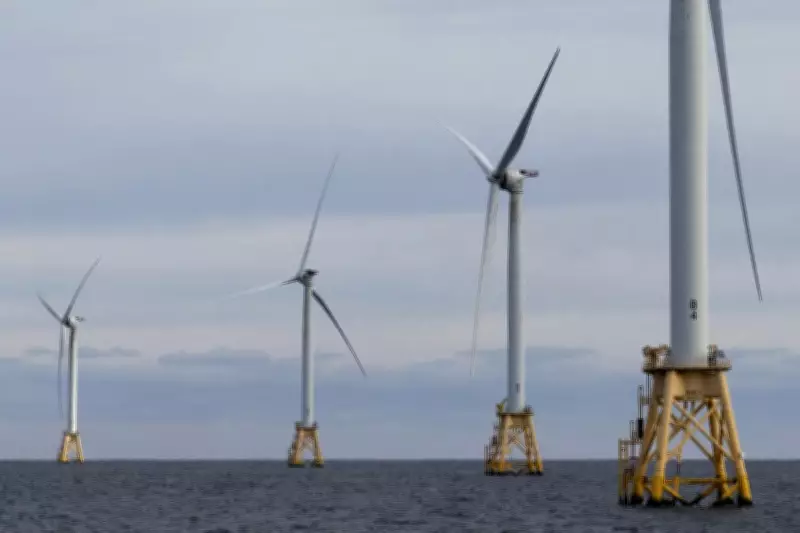
- The region's offshore wind resources are described as massive, with the capacity to generate substantial amounts of clean electricity.
- However, the actual potential is lower than what was projected in prior models, indicating a need for updated assessments and planning.
- Factors contributing to the discrepancy may include technological limitations, environmental considerations, and logistical challenges in offshore installations.
This revelation comes at a time when renewable energy initiatives are gaining momentum globally, with offshore wind seen as a key component in reducing carbon emissions and transitioning to sustainable power sources.

Implications for Energy Policy and Development
The report's findings have important implications for energy policy and infrastructure development in Atlantic Canada. While the region remains a promising hub for offshore wind, the adjusted projections suggest that:
- Policymakers may need to recalibrate expectations and strategies for renewable energy targets.
- Investors and developers could face different risk assessments and feasibility studies based on the new data.
- There is an opportunity to enhance research and innovation in wind turbine technology and marine engineering to maximize the available potential.
Additionally, the study emphasizes the importance of integrating offshore wind with other renewable sources to create a resilient and diversified energy grid for Atlantic Canada.
Challenges and Future Prospects
Despite the reduced projections, the report maintains that Atlantic Canada's offshore wind sector holds considerable promise. Key challenges include:
- Navigating regulatory hurdles and environmental approvals for offshore projects.
- Addressing technical issues related to deep-water installations and grid connectivity.
- Ensuring community engagement and support from local stakeholders, including indigenous groups and coastal residents.
Looking ahead, the report calls for continued monitoring and analysis to better understand the evolving dynamics of offshore wind energy. It suggests that with strategic investments and collaborative efforts, Atlantic Canada can still play a pivotal role in Canada's renewable energy landscape, even with the revised estimates.
In summary, while Atlantic Canada's offshore wind potential is immense, the latest report indicates it is less than earlier forecasts predicted. This insight provides a more nuanced foundation for future energy planning and development in the region, balancing optimism with realistic assessments of what can be achieved.