Major Winter Storm Paralyzes GTHA with Heavy Snowfall and Frigid Temperatures
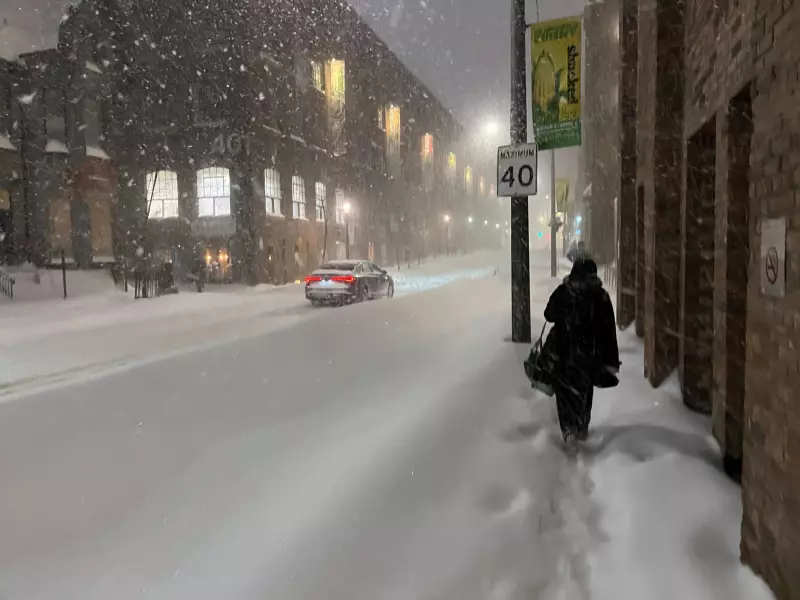
A powerful winter storm has swept through the Greater Toronto and Hamilton Area, dumping as much as 60 centimeters of snow in some regions and creating widespread travel chaos. The intense snowfall, combined with bitterly cold temperatures, has led to significant disruptions across transportation networks, school closures, and numerous emergency responses.
Transportation Systems Struggle Amid Hazardous Conditions
Major travel hubs are experiencing severe disruptions as the winter storm continues to impact the region. Pearson International Airport has reported a wave of flight cancellations and delays, with airport officials advising passengers to check with their airlines before heading to the terminal. The Toronto Transit Commission has provided updates indicating that while their system is "holding up well," services are operating with caution due to the challenging weather conditions.
On the roads, driving has become particularly hazardous. The Canadian Automobile Association has responded to approximately 100 collisions throughout the GTHA and is prioritizing assistance to motorists in unsafe situations. "It's difficult to get around," noted a CAA spokesperson, emphasizing the dangerous driving conditions captured on camera throughout the affected areas. Authorities are urging drivers to exercise extreme caution and consider postponing non-essential travel.

School Closures and Public Safety Measures Implemented
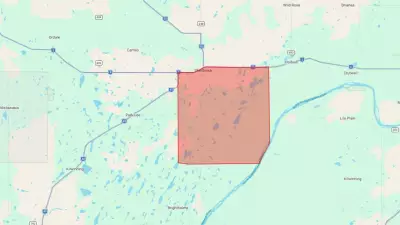
Numerous school boards across the Greater Toronto and Hamilton Area have cancelled classes and bus services in response to the severe weather. The massive snowstorm has prompted municipal officials to declare snow events in several communities including Kitchener, Waterloo, Cambridge and North Dumfries, triggering coordinated cleanup efforts.
Public safety remains a primary concern as Environment Canada has issued winter storm warnings bringing blinding conditions to Toronto and surrounding regions. Emergency services are reminding residents about frostbite risks during this bitterly cold weather and providing safety tips for motorists navigating the winter storm conditions. The extreme weather response is scheduled to conclude on Monday as forecasters predict the winter chill will gradually subside.
Broader Regional Impacts and Weather Patterns
The winter storm's effects extend beyond immediate transportation disruptions, with Ontario, Quebec and the Maritimes expected to experience near -50°C temperatures this weekend. This extreme cold has hindered firefighting efforts in some areas and created challenges for outdoor workers and commuters alike.
Meanwhile, other regions of Canada are experiencing their own weather-related challenges. British Columbia is dealing with heavy snowstorms and frigid temperatures that have prompted additional flight cancellations and delays. Saskatchewan residents are braving frigid temperatures, with winter cyclists in Saskatoon facing what they describe as "the biggest challenge" of the season.
As cleanup efforts continue across the affected regions, meteorologists are monitoring weather patterns to determine when areas like Waterloo Region might get a break from the persistent cold. The answer, according to forecasts, may not be what residents want to hear as winter maintains its firm grip on much of Eastern Canada.