Windsor Confronts Unprecedented Cold Alert Crisis as Temperatures Plummet
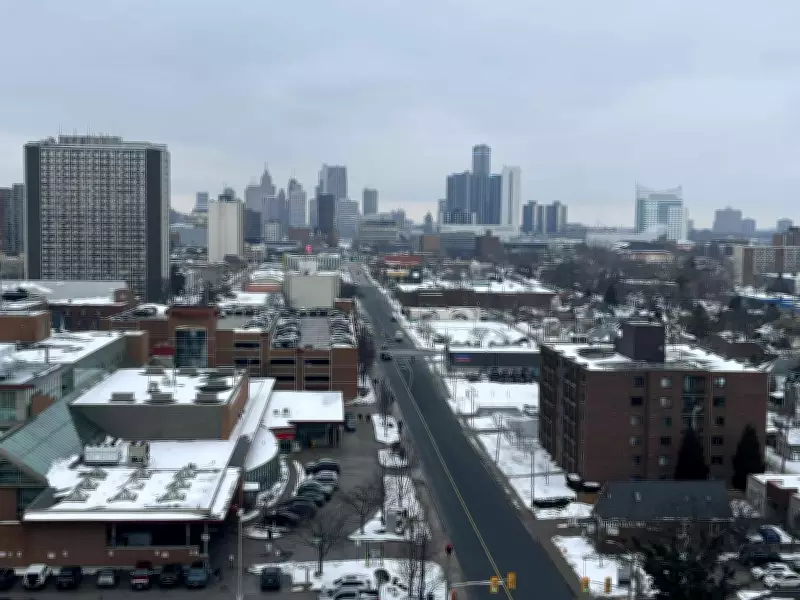
The city of Windsor, Ontario, is currently experiencing its most severe and frequent extreme cold weather alerts in over a decade, according to recent meteorological reports. This alarming trend has raised significant concerns among local health authorities and residents, as the region battles a prolonged period of frigid conditions that show no immediate signs of abating.
A Decade-Long Record Shattered by Persistent Arctic Blasts
Data compiled by Environment Canada indicates that Windsor has surpassed all previous cold alert benchmarks set in the last ten years. The frequency and intensity of these alerts have escalated dramatically, with multiple warnings issued in rapid succession throughout the winter season. This surge in extreme cold events is attributed to a combination of climatic factors, including shifting polar vortex patterns and broader atmospheric changes affecting Southern Ontario.
Local officials from the Windsor-Essex County Health Unit (WECHU) have emphasized the serious health risks associated with such prolonged exposure to sub-zero temperatures. Hypothermia, frostbite, and exacerbation of pre-existing respiratory conditions are among the primary concerns highlighted in public advisories. The health unit has urged vulnerable populations, including seniors, children, and those experiencing homelessness, to take extra precautions during this hazardous period.

Community Response and Safety Measures Amplified
In response to the escalating cold crisis, Windsor Regional Hospital and other healthcare facilities have reported a noticeable decline in influenza cases, which is somewhat unexpected given the season. However, RSV (Respiratory Syncytial Virus) cases are concurrently rising, creating a complex public health scenario that requires vigilant monitoring and adaptive strategies.
Municipal services have been mobilized to address the immediate dangers posed by the extreme weather. Snow clearing operations have been intensified, although reports indicate that some residents, particularly those with mobility challenges, are facing difficulties due to inadequate snow removal. This has sparked calls for improved accessibility measures during severe winter events.
The broader implications of Windsor's cold alert surge extend beyond immediate health and safety. Transportation disruptions, increased energy consumption, and economic impacts on local businesses are all being closely observed. The situation in Windsor mirrors similar extreme weather patterns reported across Canada, including blizzard warnings in other provinces and record-breaking temperature fluctuations in British Columbia.
Long-Term Climate Considerations and Future Preparedness
While this winter's extreme cold alerts represent a significant deviation from recent trends, experts caution against simplistic interpretations. Climate scientists note that such events can coexist within the broader context of global warming, where increased volatility and extreme weather occurrences become more common. The situation in Windsor serves as a stark reminder of the need for robust, long-term climate adaptation strategies at both municipal and provincial levels.
As Windsor residents brace for continued cold, the community's resilience is being tested. Public awareness campaigns, enhanced shelter services, and coordinated emergency responses will be crucial in mitigating the impacts of this decade-defining cold spell. The coming weeks will likely determine how effectively the city can navigate this challenging period while preparing for future climatic uncertainties.