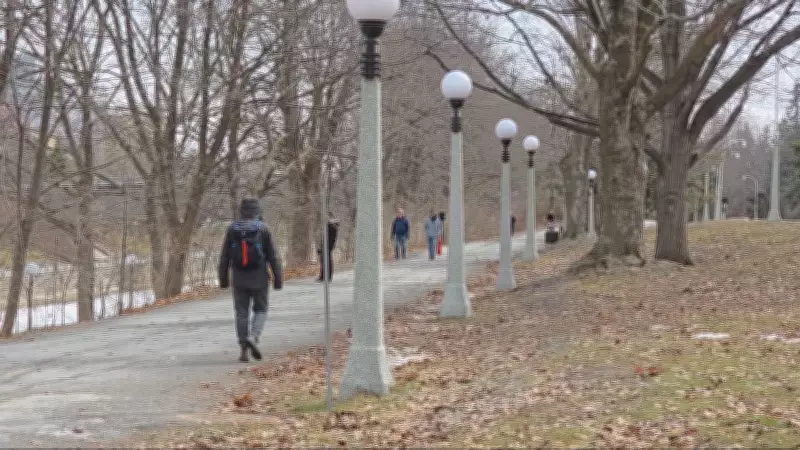
As the calendar turns to April, signaling the official arrival of spring across the Northern Hemisphere, many Canadians are finding that winter's grip remains stubbornly tight in numerous regions. Contrary to the typical seasonal transition, wintry conditions are lingering across parts of the country, bringing cold temperatures, snowfall, and disruptive weather patterns that contrast sharply with the blossoming spring experienced elsewhere.
Persistent Cold and Snow Defy Seasonal Norms
Meteorological data and local reports indicate that several provinces are experiencing unseasonably cold weather, with snowfall events continuing well into what should be the spring thaw. This persistence of wintry conditions is affecting daily routines, transportation networks, and outdoor plans for residents who anticipated milder weather. The delay in spring's full arrival is particularly noticeable in areas that typically see earlier seasonal shifts, raising questions about broader climate patterns and variability.
Regional Impacts and Weather Disruptions
From the eastern provinces to the western territories, the effects of this lingering winter are being felt in various ways. Transportation officials have reported challenges due to icy roads and reduced visibility, while agricultural communities monitor soil temperatures that remain below optimal planting levels. Outdoor enthusiasts and event organizers are adjusting schedules as parks and recreational areas stay snow-covered or muddy longer than expected.

Climate scientists note that while seasonal transitions naturally involve fluctuations, the extended period of wintry conditions in April aligns with observations of increasing weather variability in northern latitudes. This phenomenon may be influenced by complex atmospheric patterns, including shifts in polar vortex behavior and jet stream dynamics that can prolong cold air outbreaks even as solar intensity increases with the lengthening days.
Comparative Spring Conditions Elsewhere
Meanwhile, other regions at similar latitudes are enjoying more typical spring weather, with warming temperatures, blooming vegetation, and stable conditions. This disparity highlights the localized nature of seasonal transitions and the significant role that geographic factors, such as proximity to large water bodies or elevation, play in determining microclimates within Canada's vast landscape.
Adaptation and Preparedness Measures
Municipalities and provincial authorities are maintaining winter response protocols, including road salting and snow removal operations, to ensure public safety during this extended cold period. Residents are advised to monitor local forecasts closely and prepare for potential weather-related disruptions, as the transition to consistent spring conditions may be gradual rather than abrupt.
Weather experts emphasize that such patterns, while notable, are not unprecedented in Canada's climatic history. Historical records show occasional years where winter conditions persisted well into April, particularly in interior and northern regions. However, the frequency and intensity of these events are subjects of ongoing research within the context of global climate change discussions.
As Canadians bundle up for a few more weeks of winter-like weather, the anticipation for true spring warmth grows. The lingering cold serves as a reminder of the country's diverse and sometimes unpredictable climate, where seasonal boundaries are often blurred by the dynamic interplay of atmospheric forces across this expansive nation.