Southern Ontario's Deep Freeze Ends, Warmer Weather Arrives After Decade-Long Cold Spell
Southern Ontario is poised for a dramatic shift in weather patterns as the region's longest and most severe cold spell in over a decade finally comes to an end. After enduring weeks of frigid temperatures and heavy snowfall, residents can expect a significant warming trend that will bring much-needed relief from the persistent winter conditions.
Breaking the Cold Streak
The recent cold spell, which has gripped southern Ontario for an extended period, marks the longest continuous stretch of below-freezing temperatures the region has experienced in more than ten years. Meteorological data indicates that this prolonged period of cold weather has surpassed previous records for both duration and intensity, creating challenging conditions for communities across the province.
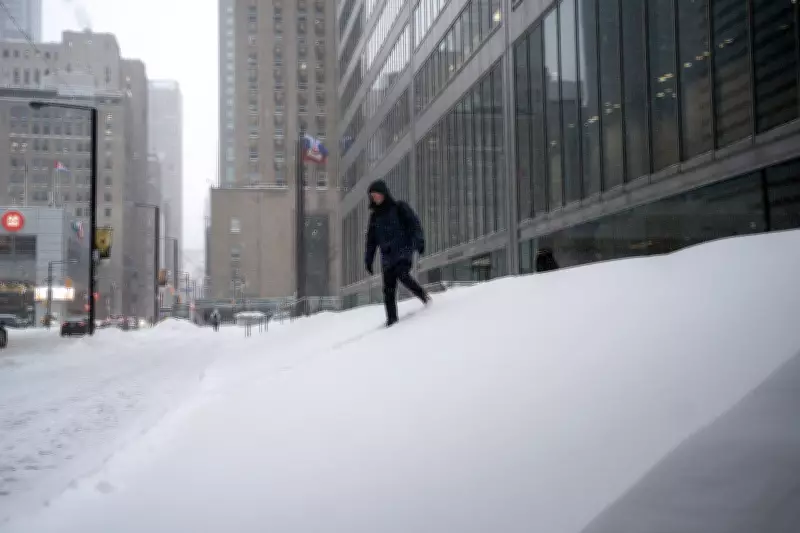
During the peak of the cold spell, temperatures consistently remained well below seasonal averages, with some areas experiencing extreme lows that tested infrastructure and daily life. The Greater Toronto Area, in particular, faced significant snowfall accumulation and strong winds that complicated transportation and outdoor activities throughout January and early February.

Transition to Warmer Conditions
Weather forecasts now predict a steady rise in temperatures across southern Ontario as atmospheric patterns shift. This warming trend is expected to bring daytime highs that are much closer to seasonal norms, providing a noticeable break from the recent deep freeze. The transition is anticipated to be gradual but consistent, with temperatures climbing over the coming days.
Meteorologists attribute this change to a shift in air masses, as warmer systems move into the region from southern directions. This pattern change is typical for late winter but is particularly welcome this year given the exceptional duration of the cold conditions. The warming trend is expected to continue through the remainder of February and into early March.
Impact on Daily Life and Environment
The end of the cold spell brings several immediate benefits to southern Ontario residents:
- Improved travel conditions as snow and ice begin to melt on roads and sidewalks
- Reduced energy consumption for heating as temperatures moderate
- Enhanced outdoor activity opportunities as conditions become more comfortable
- Agricultural benefits as the ground begins to thaw earlier than in recent years
However, the rapid temperature change may also bring challenges, including potential flooding from snowmelt and variable road conditions as ice transitions to water. Municipal authorities are preparing for these transitional conditions by monitoring drainage systems and adjusting maintenance schedules accordingly.
Historical Context and Climate Patterns
This recent cold spell represents an unusual weather event in the context of southern Ontario's climate history. While winter cold snaps are common in the region, the duration and consistency of this particular event have been exceptional. Climate researchers note that such prolonged cold periods have become less frequent in recent decades, making this event particularly noteworthy.
The break in the cold spell aligns with broader seasonal transition patterns, though its timing and intensity reflect the variability that characterizes Ontario's winter climate. As the region moves toward spring, weather patterns are expected to become more variable, with alternating periods of mild and cool conditions typical for this transitional season.
Residents are advised to continue monitoring local weather forecasts as conditions evolve, and to prepare for the variable weather that characterizes Ontario's late winter period. While the worst of the cold appears to be over, typical seasonal fluctuations are expected to continue through the coming weeks.