Saint John Fire Department Initiates Critical Ice Rescue Training Exercises
In response to the ongoing severe winter conditions affecting the region, the Saint John Fire Department has announced the commencement of specialized ice rescue training exercises this week. This proactive initiative aims to bolster the emergency response capabilities of firefighters, ensuring they are fully prepared to handle potential incidents on frozen waterways throughout the province.
Enhancing Winter Emergency Preparedness
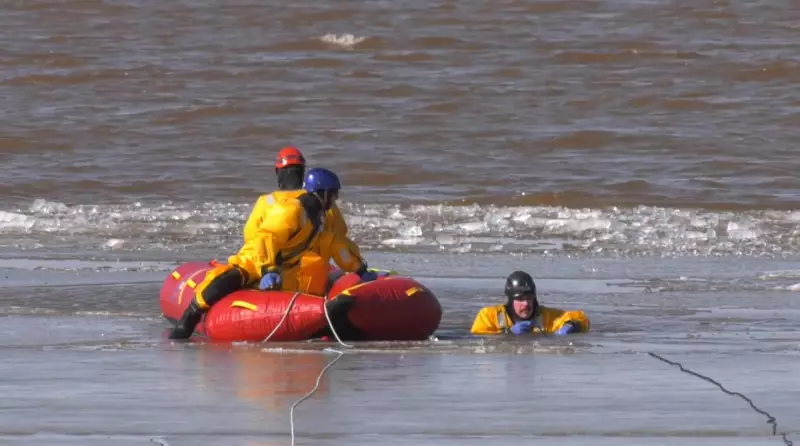
The training sessions, which are scheduled to take place on the Kennebecasis River, involve rigorous simulations designed to replicate real-life emergency scenarios. Firefighters will practice advanced techniques for rescuing individuals who may fall through thin ice, a critical skill given the unpredictable nature of winter weather in New Brunswick. These exercises are part of a broader strategy to maintain high levels of public safety during the coldest months of the year.
Nick Moore of CTV Atlantic documented similar training activities in March 2024, highlighting the department's consistent commitment to preparedness. The current exercises come at a time when much of Canada is grappling with extreme cold, snowstorms, and related challenges, underscoring the importance of such training for first responders.

Context of Widespread Winter Adversity
The ice rescue training in Saint John occurs against a backdrop of significant winter disruptions across the country. For instance, a massive snowstorm has recently impacted the Greater Toronto and Hamilton Area, leading to school closures, transportation cancellations, and numerous collisions. Similarly, other regions are experiencing frigid temperatures that hinder daily activities and emergency operations, such as firefighting efforts at landfills.
In New Brunswick specifically, communities are hosting winter festivals and celebrations, but the cold weather poses risks like frostbite and complicates travel. The Saint John Fire Department's training directly addresses these environmental hazards, ensuring that firefighters can respond effectively to ice-related emergencies, which may become more frequent during such extreme conditions.
Broader Implications for Public Safety
This week's exercises are not only about technical skills but also about fostering community resilience. By conducting these drills, the fire department emphasizes the value of proactive measures in safeguarding residents. The training aligns with broader public health advisories, such as warnings about frostbite risks, and complements other winter safety initiatives seen nationwide.
As climate patterns continue to evolve, with phenomena like "exploding trees" and near -50°C temperatures forecasted for parts of Ontario, Quebec, and the Maritimes, the need for specialized emergency response training becomes increasingly apparent. The Saint John Fire Department's efforts serve as a model for other municipalities facing similar winter challenges, highlighting the importance of adaptation and readiness in the face of environmental extremes.
In summary, the ice rescue exercises in Saint John represent a vital component of winter preparedness, ensuring that firefighters are equipped to protect the community during one of the most hazardous seasons. This initiative reflects a dedicated approach to public safety, resonating with the broader context of winter adversity affecting Canada today.