Plains Megafire Engulfs Chicago-Sized Area Across Two States as Dangerous Weather Conditions Persist
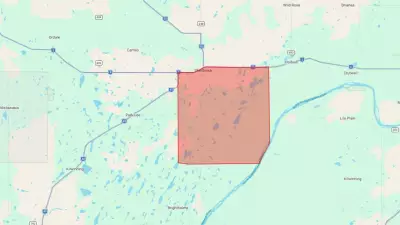
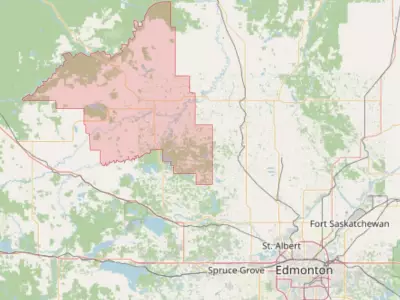
A catastrophic megafire raging across the Plains region has now consumed a land area comparable in size to the city of Chicago, spanning two states and prompting urgent concerns among emergency responders and residents. The blaze, which ignited under dry and windy conditions, has rapidly expanded, fueled by parched vegetation and unseasonably warm temperatures. Firefighting crews from multiple agencies are battling the inferno around the clock, but their efforts are being hampered by the sheer scale of the fire and challenging terrain.
Expanding Destruction and Immediate Threats
The fire has already left a trail of devastation, destroying homes, agricultural land, and critical infrastructure. Evacuation orders remain in effect for numerous communities, with shelters set up to accommodate displaced families. Authorities report that the fire's perimeter is continuously shifting, making containment efforts extremely difficult. Meteorologists warn that more dangerous weather is on the horizon, with forecasts predicting strong winds, low humidity, and no significant rainfall in the coming days. These conditions could exacerbate the fire's spread, potentially leading to even larger-scale destruction.
Environmental and Health Impacts
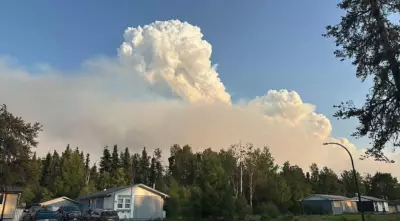
The environmental consequences of the megafire are severe, with vast swaths of habitat lost and air quality deteriorating across the region. Thick smoke plumes have blanketed nearby cities and towns, posing serious health risks, particularly for individuals with respiratory conditions. Public health officials are advising residents to stay indoors, use air purifiers, and wear masks if venturing outside. The long-term ecological recovery of the affected areas is expected to take years, if not decades, with soil erosion and water contamination being major concerns.

Response Efforts and Future Preparedness
Emergency management teams are coordinating a multi-faceted response, deploying aerial tankers, ground crews, and specialized equipment to combat the flames. Interstate cooperation is crucial, as resources are being shared between the two impacted states to maximize efficiency. However, officials acknowledge that the increasing frequency and intensity of such megafires highlight the urgent need for enhanced wildfire preparedness and mitigation strategies. This includes better land management practices, improved early warning systems, and greater investment in firefighting resources.
As communities brace for more extreme weather, the focus remains on protecting lives and property while addressing the underlying factors, such as climate change and drought, that contribute to these devastating events. The Plains megafire serves as a stark reminder of the growing threat posed by wildfires in an era of changing climatic patterns.