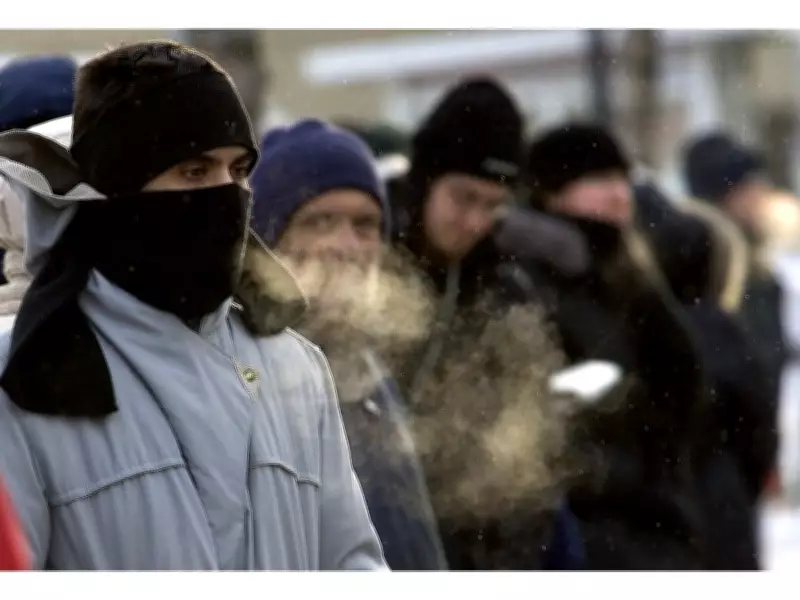
Montreal Braces for Extreme Cold Conditions with High Frostbite Risk
Residents of Montreal are being urged to take serious precautions as Environment Canada issues a stark weather forecast for Sunday, February 8, 2026. The city is facing dangerously cold temperatures accompanied by biting winds that create a significant risk of frostbite for anyone venturing outdoors without proper protection.
Detailed Forecast for Sunday's Arctic Conditions
According to the latest meteorological data, Sunday will begin with clearing skies in the morning but will remain bitterly cold throughout the day. The daytime high is expected to reach only minus 11 degrees Celsius, which represents a substantial departure from seasonal norms. What makes conditions particularly hazardous is the persistent west wind blowing at approximately 20 kilometers per hour.
This wind will create dangerous wind chill values that dramatically increase the risk of cold-related injuries. During the morning hours, wind chills are forecast to plummet to minus 28 degrees Celsius, creating conditions where exposed skin can develop frostbite in less than 30 minutes. Even in the afternoon, when wind chills are expected to moderate slightly to minus 19 degrees Celsius, the frostbite risk remains substantial for those spending extended time outdoors.

Overnight Conditions and Extended Cold Spell
The extreme cold will persist through the night as clear skies allow temperatures to drop further. Overnight lows are predicted to reach minus 17 degrees Celsius, with wind chills making it feel like minus 25 degrees Celsius. This extended period of severe cold represents a significant weather event for the Montreal region, requiring residents to implement proper cold weather safety measures.
Environment Canada emphasizes that these conditions warrant special attention to vulnerable populations including children, seniors, and those experiencing homelessness. The combination of low temperatures and significant wind creates what meteorologists classify as extreme cold weather conditions, where proper layering of clothing, covering of exposed skin, and limiting outdoor exposure become essential safety practices.
This weather pattern follows typical winter conditions for the region but represents one of the colder episodes forecast for the season. Residents are advised to monitor updated forecasts and warnings from Environment Canada as conditions may evolve throughout the day.