Massive March Storm Ravages Northern Ontario, Sault and Sudbury Bear Brunt
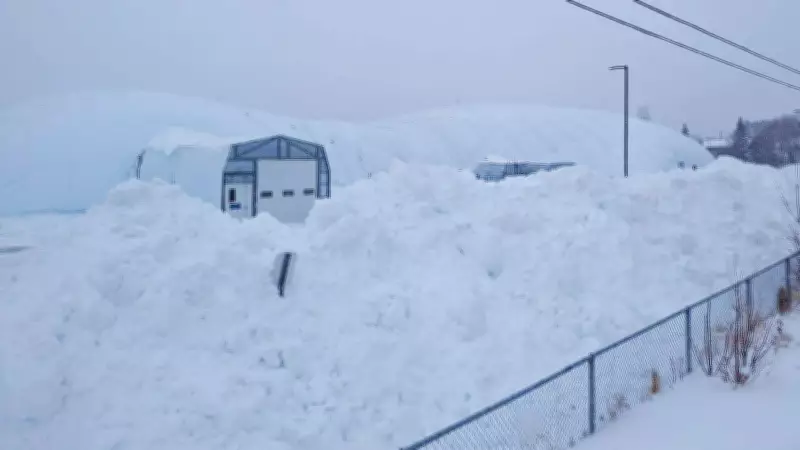
A powerful and disruptive winter storm swept through Northern Ontario in mid-March 2026, leaving a trail of significant impacts across the region. According to meteorological reports, the storm system brought heavy snowfall, strong winds, and rapidly falling temperatures, creating hazardous conditions for residents and travelers alike.
Sault Ste. Marie and Sudbury Experience Most Severe Effects
The communities of Sault Ste. Marie and Sudbury were particularly hard hit by the storm's intensity. Local authorities reported widespread power outages, road closures, and transportation disruptions as snow accumulation reached substantial levels. Emergency services were mobilized to respond to numerous incidents, including stranded vehicles and weather-related accidents.
Rick Wyman, a regional weather expert, provided detailed analysis of the storm's progression, noting that atmospheric conditions created an unusually potent system for this time of year. "The combination of moisture from the Great Lakes and a strong cold front resulted in intense snowfall rates and gusty winds," Wyman explained.

Broader Regional Impacts and Response Efforts
While Sault Ste. Marie and Sudbury experienced the most severe conditions, the storm affected much of Northern Ontario. Municipal governments activated emergency protocols, with snow removal crews working around the clock to clear major roadways. School closures were implemented in several districts as a safety precaution.
The timing of the storm, occurring in mid-March when many residents anticipate the arrival of spring, added to the disruption. Temperatures plummeted significantly following the snowfall, creating icy conditions that persisted for days.
Weather Patterns and Climate Context
Meteorologists have noted that such late-season winter storms, while not unprecedented, appear to be occurring with greater frequency and intensity in recent years. This particular event followed a pattern of volatile weather shifts that have characterized Ontario's winter season.
Residents were advised to take precautions, including:
- Avoiding unnecessary travel during the storm's peak intensity
- Ensuring adequate emergency supplies at home
- Checking on vulnerable neighbors, particularly seniors
- Preparing for potential extended power outages
As cleanup efforts continue, municipal officials are assessing the full extent of the damage and coordinating with provincial agencies for any necessary support. The storm serves as a reminder of Northern Ontario's vulnerability to extreme weather events, even as the region transitions toward spring.