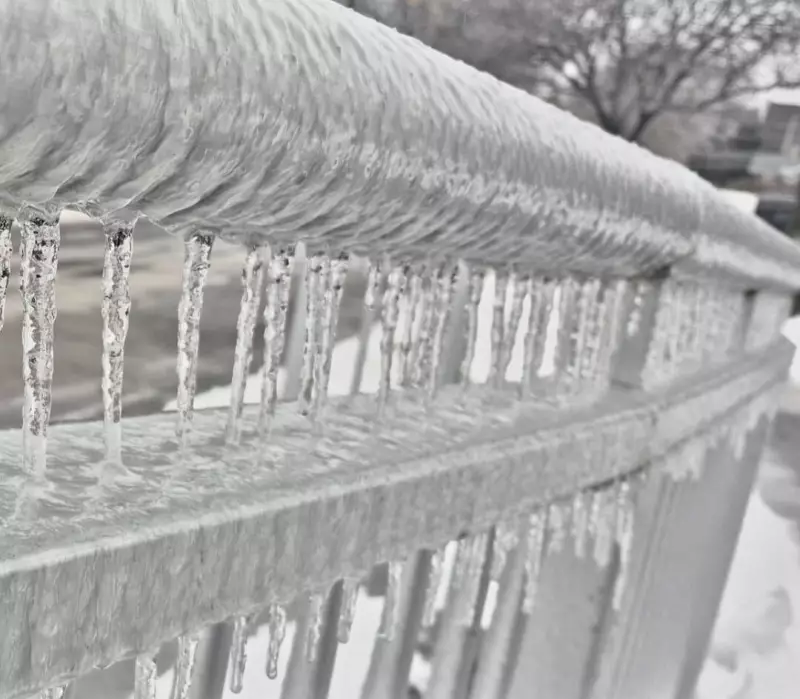
Residents of London, Ontario, are being called upon to share their photographic records of a significant ice storm that coated the city in a crystalline glaze. The request for public submissions highlights the dramatic impact of a winter weather system that swept across parts of the country on Boxing Day.
A City Transformed by Ice
The call for photos was issued on December 27, 2025, following the storm's passage. One submitted image, credited to Christopher Bogle, showcases the stark beauty and potential hazard of the event, with thick ice encasing trees and surfaces throughout the Forest City. This visual evidence underscores the storm's intensity and its transformative effect on the urban landscape.
National Context of Winter Hazards
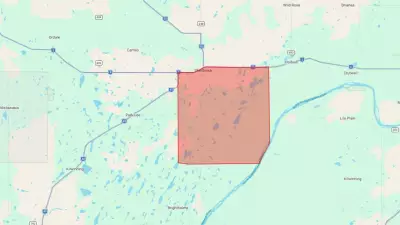
The London ice event occurred amidst a broader pattern of severe winter weather affecting Canada. Environment Canada issued numerous warnings, including for poor visibility and blowing snow in the Edmonton area and a yellow freezing rain warning for another Ontario region. These alerts emphasize the widespread nature of the seasonal hazards.

Other weather-related incidents reported across the nation included a multi-vehicle collision that closed Highway 401 eastbound in Whitby, and a winter storm in the United States that led to over 1,000 cancelled flights, demonstrating the far-reaching travel disruptions. The situation in London serves as a local example of the challenges posed by freezing precipitation, which also sparked discussions in Ottawa about alternative road de-icing methods like beet brine.
Safety Reminders Amidst Winter's Dangers
The storm and its aftermath bring critical safety information to the forefront. Authorities consistently remind the public of the '1-10-1' rule for cold water immersion and the importance of assessing ice colour for safety. These warnings are particularly pertinent as the season continues, with risks ranging from hypothermia to dangerous travel conditions.
By documenting events like the London ice storm, citizens contribute to a public record of winter's impact, aiding in awareness and preparedness for future severe weather events that are a recurring feature of the Canadian climate.