London Braces for Another Arctic Blast with Cold Warnings and Blowing Snow Advisories
The London region is preparing for another significant bout of winter weather as a fresh blast of arctic air descends upon southwestern Ontario. Environment Canada has issued a cold warning and blowing snow advisory, signaling potentially hazardous conditions for residents across the area.
Severe Weather Conditions Expected
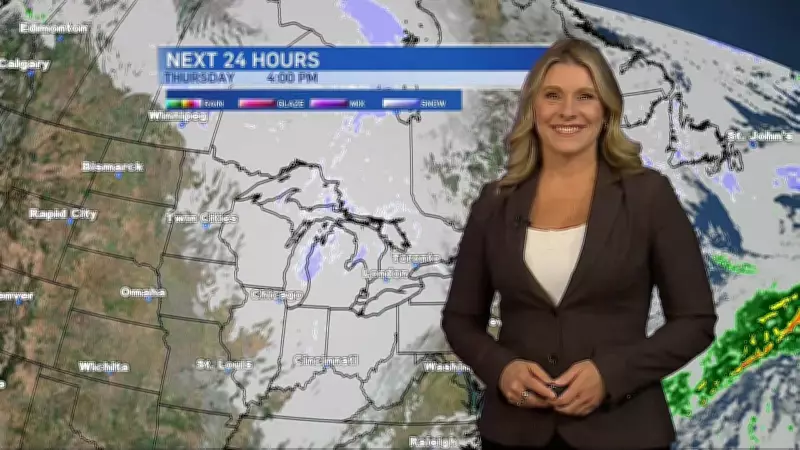
Meteorologists are tracking the movement of this arctic air mass as it works its way through the region. According to CTV London Meteorologist Julie Atchison, this latest weather system brings with it dangerously low temperatures and reduced visibility due to blowing snow.
The combination of frigid temperatures and blowing snow creates particularly dangerous conditions for both pedestrians and motorists. Residents are advised to exercise extreme caution when venturing outdoors and to consider postponing non-essential travel during the peak of this weather event.

Regional Impact and Safety Precautions
This arctic blast follows a pattern of severe winter weather that has affected multiple regions across Canada in recent weeks. The London area can expect:
- Significantly below-normal temperatures
- Reduced visibility due to blowing and drifting snow
- Wind chill values that could reach dangerous levels
- Potential for frostbite and hypothermia with prolonged exposure
Local authorities are reminding residents to check on vulnerable neighbors, including seniors and those with limited mobility, as these extreme conditions can pose serious health risks.
Broader Weather Context Across Canada
While London prepares for this latest arctic intrusion, other regions across the country are experiencing their own weather challenges. From freezing drizzle in Windsor-Essex to snow removal challenges in Saskatchewan communities, winter continues to make its presence felt nationwide.
The timing of this cold snap coincides with ongoing discussions about winter infrastructure and emergency preparedness across Canadian municipalities. As climate patterns continue to evolve, communities are increasingly focused on developing resilient responses to extreme weather events.
Residents are encouraged to stay updated on the latest weather forecasts and advisories through official channels and to prepare emergency kits in case of power outages or other weather-related disruptions.