Environment Canada Issues Yellow Rainfall Warning for Northeastern Ontario
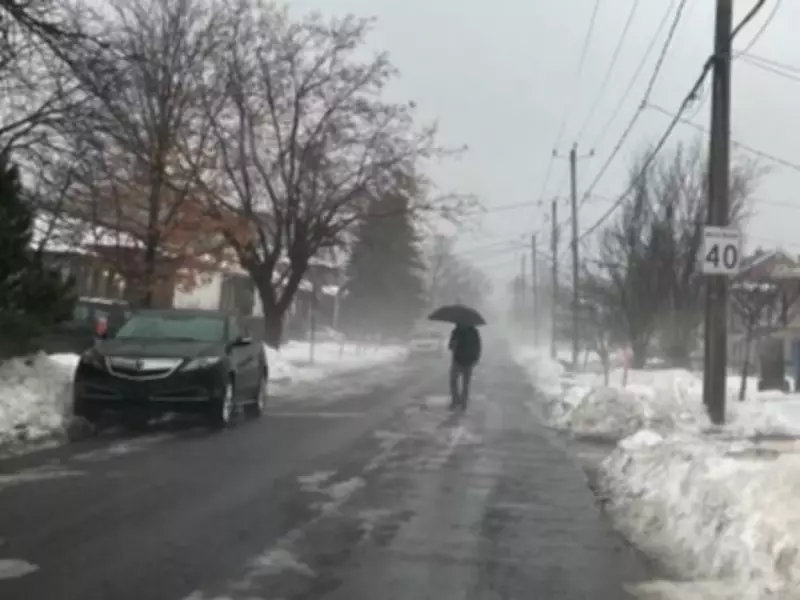
Residents across northeastern Ontario are being urged to prepare for significant rainfall as Environment Canada has issued a yellow weather warning for the region. The alert, released on Friday, predicts that up to 40 millimeters of rain could fall, beginning this evening and continuing into the overnight hours.
Affected Areas and Potential Impacts
The warning specifically targets key urban centers including Sault Ste. Marie, Sudbury, and North Bay. This substantial precipitation event raises concerns about localized flooding, especially in low-lying areas and near waterways. Motorists are advised to exercise caution as heavy rain can reduce visibility and create hazardous driving conditions on highways and local roads.
Environment Canada meteorologists emphasize that this yellow warning indicates conditions that may pose a risk to public safety and property. Residents should ensure that drainage systems around their homes are clear to prevent water accumulation. The rainfall is expected to be persistent, potentially leading to rapid rises in river and stream levels.

Broader Weather Context Across Canada
This alert for northeastern Ontario is part of a larger pattern of active weather affecting several provinces. Environment Canada has issued similar yellow warnings in other regions, highlighting a widespread system bringing precipitation across the country. Such weather events are becoming increasingly common, underscoring the importance of preparedness and timely communication from meteorological agencies.
The timing of this rainfall, beginning in the evening, could impact weekend plans and outdoor activities. Local authorities are monitoring the situation closely and may issue further advisories if conditions worsen. Residents are encouraged to stay updated through official Environment Canada channels and local news outlets for the latest information.
This weather event serves as a reminder of the dynamic and sometimes unpredictable nature of Canadian climates, particularly in northern regions where rapid changes can occur. Taking proactive measures, such as securing outdoor items and avoiding unnecessary travel during peak rainfall, can help mitigate risks associated with such heavy precipitation.