Hawaii Grapples with Catastrophic Flooding, Worst in Two Decades
Hawaii is currently experiencing its most severe flooding event in twenty years, with forecasters issuing warnings that more heavy rainfall is imminent. The situation has escalated rapidly, prompting urgent evacuations and raising concerns about public safety and infrastructure resilience.
Unprecedented Rainfall and Widespread Impact
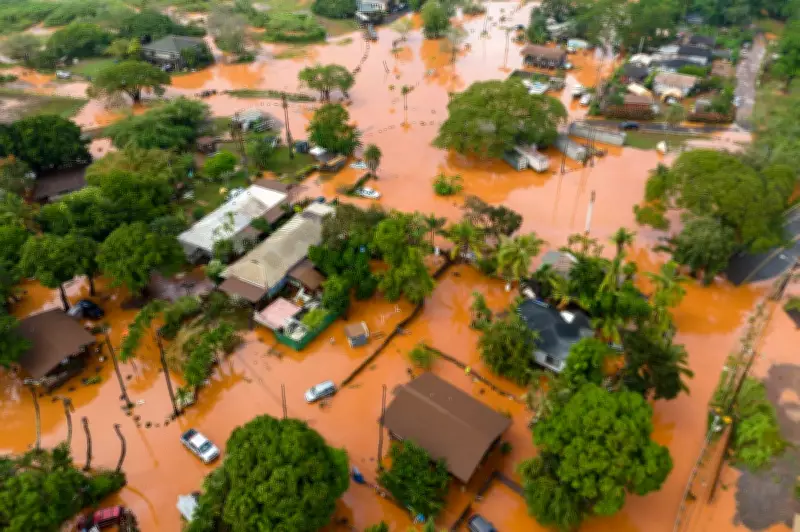
Torrential rains have inundated residential neighborhoods across the islands, particularly affecting areas like Waialua, where streets have transformed into rivers. The flooding has submerged homes, disrupted transportation, and forced thousands of residents to seek higher ground. Emergency services are working around the clock to assist those stranded and assess the full extent of the damage.
Meteorologists attribute this extreme weather to a stalled weather system that is funneling moisture into the region. Rainfall totals have already shattered records for March, with some locations reporting over a foot of rain in less than 24 hours. The National Weather Service has extended flood watches and warnings, indicating that the threat is far from over.

Evacuation Orders and Infrastructure Concerns
Local authorities have issued mandatory evacuation orders for more than 5,500 residents in low-lying and flood-prone zones. Officials are closely monitoring a 120-year-old dam that is at risk of failure due to the overwhelming water pressure. This aging structure represents a critical point of vulnerability, and contingency plans are being activated to prevent a potential breach that could exacerbate the flooding.
In addition to the dam, other infrastructure such as roads, bridges, and utilities are under severe strain. Power outages have been reported in several communities, and water contamination is a growing concern as floodwaters mix with sewage systems. The state government has declared a state of emergency, mobilizing National Guard units to support relief efforts.
Climate Context and Future Projections
This flooding event is consistent with broader climate trends affecting Hawaii and other Pacific regions. Scientists note that rising sea temperatures and changing atmospheric patterns are increasing the frequency and intensity of extreme precipitation events. Such incidents highlight the urgent need for enhanced climate adaptation strategies, including improved drainage systems, updated floodplain management, and infrastructure upgrades.
Forecast models predict that additional rounds of heavy rain are likely over the coming days, which could prolong the flooding and hinder recovery operations. Residents are advised to remain vigilant, avoid travel unless absolutely necessary, and heed all instructions from emergency management agencies.
Community Response and Recovery Efforts
Community organizations and volunteers are rallying to provide shelter, food, and supplies to those displaced by the floods. Shelters have been established in safe locations, and donations are being coordinated to support affected families. The long-term recovery process is expected to be extensive, requiring significant resources and coordinated planning at both state and federal levels.
As Hawaii confronts this historic flooding disaster, the resilience of its communities is being tested. The ongoing situation serves as a stark reminder of the powerful impacts of climate-driven weather extremes and the importance of proactive disaster preparedness.