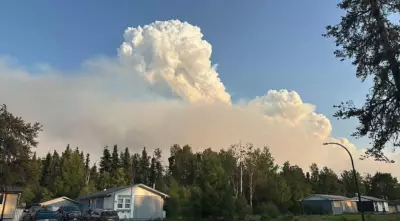
Environment Canada has issued a warning that gusty winds are expected to persist through Tuesday morning across parts of Ontario, posing potential hazards and disruptions. Senior climatologist Dave Phillips emphasized the severity of the weather system affecting northern and central regions, urging residents to take precautions.
Ongoing Wind Conditions and Safety Concerns
The persistent winds, part of a broader storm pattern, have been battering Ontario for several days. Environment Canada reports that wind speeds may reach significant levels, leading to possible power outages, fallen trees, and difficult travel conditions. Phillips noted that this weather event is part of an unusually active spring season, with climate change potentially playing a role in intensifying such storms.
Impacts on Daily Life and Infrastructure
Local authorities are advising people to secure loose outdoor items and avoid unnecessary travel, especially in areas prone to high winds. The Ontario Provincial Police reported handling over 3,000 calls during a recent 24-hour period of severe weather, highlighting the strain on emergency services. Additionally, road closures and transportation delays have been reported in various municipalities, including the Cambie Street corridor in Vancouver, though unrelated to the wind event.

In other weather-related news, a snowmobile collision in Cochrane resulted in a teen fatality, underscoring the dangers of outdoor activities during adverse conditions. Meanwhile, Environment Canada is transitioning from Weatheradio to online platforms for weather updates, reflecting a shift towards digital communication methods.
Broader Environmental Context
This wind event coincides with global environmental discussions, such as rising sea levels and climate change impacts. However, the immediate focus remains on public safety in Ontario. Residents are encouraged to monitor Environment Canada alerts via their website or mobile apps for real-time updates.
As the winds continue, experts warn that similar patterns could become more frequent due to changing climate dynamics. Staying informed and prepared is key to mitigating risks during such severe weather episodes.