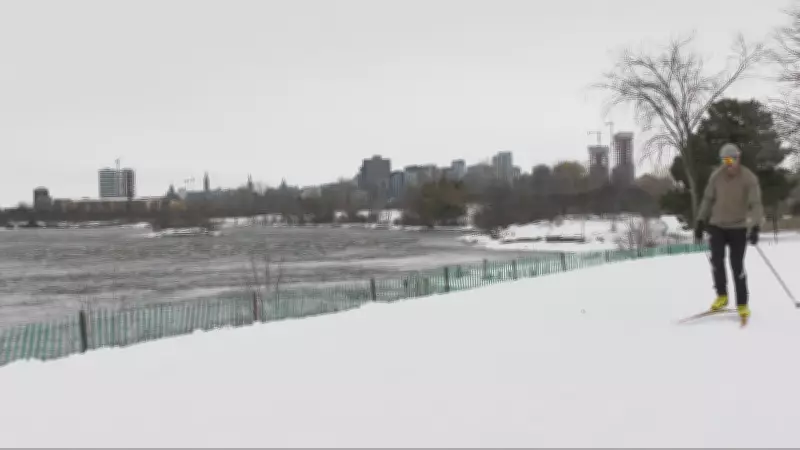
Environment Canada has officially issued a freezing drizzle advisory for the Ottawa area, alerting residents to potentially dangerous winter conditions. The advisory highlights the risk of icy surfaces forming on roads, sidewalks, and other outdoor areas, which could significantly impact travel and daily activities.
Details of the Freezing Drizzle Advisory
The freezing drizzle advisory was announced by Environment Canada on the morning of March 22, 2026. Meteorological experts indicate that the drizzle is expected to freeze upon contact with cold surfaces, creating a thin, transparent layer of ice that is often difficult to see. This phenomenon poses a serious hazard for pedestrians and drivers alike, increasing the likelihood of slips, falls, and vehicular accidents.
Potential Impacts on the Ottawa Region
Residents of Ottawa and surrounding communities are advised to exercise extreme caution when venturing outdoors. The freezing drizzle can lead to treacherous conditions on highways, local streets, and walkways. Public transportation services may experience delays, and school bus routes could be affected, prompting possible cancellations or adjustments.

Key recommendations from Environment Canada include:
- Reducing speed while driving and allowing extra travel time
- Avoiding unnecessary trips during periods of active freezing drizzle
- Using appropriate footwear with good traction when walking outside
- Keeping sidewalks and driveways clear of ice buildup
Weather Patterns and Historical Context
Freezing drizzle events are not uncommon in the Ottawa region during late winter and early spring, when temperatures hover near the freezing point. Environment Canada meteorologists monitor these conditions closely, as they can develop rapidly and catch people off guard. Historical data shows that similar advisories have been issued in previous years, often leading to multiple reports of minor injuries and traffic incidents.
The advisory serves as a reminder for residents to stay informed through official weather channels and to prepare for sudden changes in conditions. Environment Canada will continue to provide updates as the situation evolves, potentially upgrading the advisory to a warning if conditions worsen.