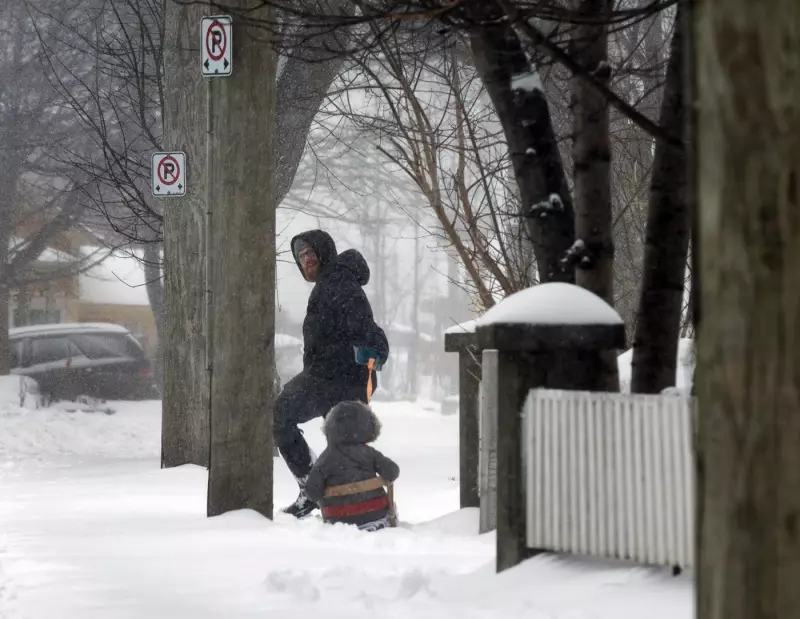
A fierce winter storm descended upon Canada on Boxing Day 2025, transforming the national holiday into a treacherous travel day with a dangerous mix of blizzard-like conditions, freezing rain, and extreme windchill values.
Widespread Warnings and Hazardous Conditions
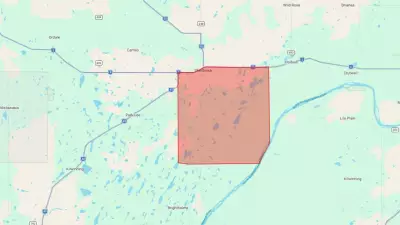
Environment Canada issued a slew of weather alerts as the system moved across the country. Snowfall warnings were active for areas including the M.D. of Pincher Creek and Twin Butte in Alberta, regions west of Lake Winnipegosis in Manitoba, and for Saskatoon. In British Columbia, several highways, including the key route to the ski resort of Whistler, were under snowfall warnings, creating hazardous driving conditions.
Meanwhile, parts of Ontario braced for a messy mix of precipitation. A yellow freezing rain warning was issued for some regions, threatening to coat roads and surfaces in ice. Newfoundland and Labrador were preparing for the next wave of the storm, with more snow and strong winds forecasted for Friday and overnight.

Travel Disruptions and Local Impacts
The severe weather caused significant disruptions. In Toronto, service on the Finch West LRT resumed only after problems shut down the line for much of the morning. The Vancouver International Airport took the unusual step of warning travellers to plan for extra traffic due to Boxing Day sales at a nearby outlet mall, a caution compounded by the difficult weather.
Local municipalities declared significant weather events, like the Township of Malahide, acknowledging that standard road maintenance levels could not be met. The storm also hampered recovery efforts in some areas; notably, Highway 3 in British Columbia reopened in what was called a 'holiday miracle,' weeks after being damaged in a previous storm.
Broader National Context
The Boxing Day storm capped off a holiday period marked by various weather-related incidents across the provinces. A Christmas Day fire at Anderson House in Cochrane, Ontario, displaced 20 people. Ottawa firefighters battled a "raging" barn fire in North Gower on December 26, though no animals were inside. In Fredericton, one person died following a house fire.
As Canadians navigated the extreme conditions, officials reiterated cold-weather safety tips, including winter drowning prevention advice about ice colour and the '1-10-1' rule for cold water survival. The storm served as a stark reminder of Canada's formidable winter climate, impacting post-Christmas travel, commerce, and daily life from coast to coast.