Extreme Avalanche Danger and Unseasonable Warmth West of Calgary
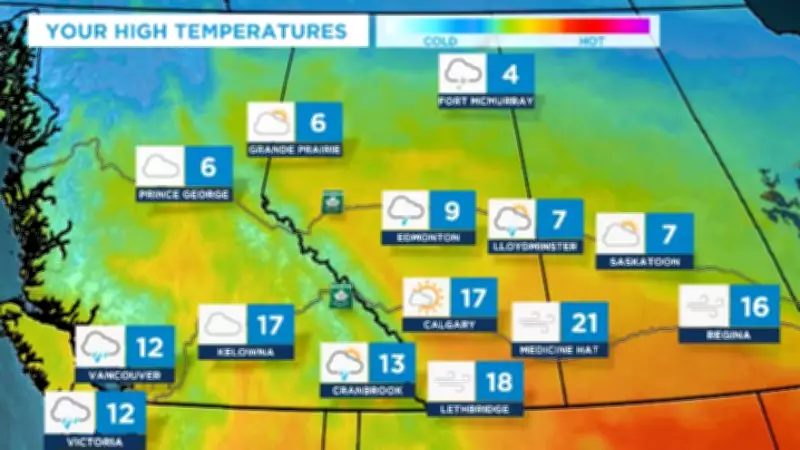
Residents and outdoor enthusiasts in the regions west of Calgary are being urged to exercise extreme caution this week as authorities issue a severe avalanche risk warning. This alert comes alongside forecasts predicting unusually high temperatures, with Thursday expected to see highs approaching 20 degrees Celsius, creating potentially hazardous conditions in the mountainous areas.
Weather Patterns Contributing to Increased Risk
The combination of recent snowfall and the impending warm spell is creating a perfect storm for avalanche activity. The rapid temperature rise can destabilize snowpack layers, making slopes more prone to sudden slides. This extreme avalanche risk is classified as high, particularly in backcountry zones where natural triggers like warming temperatures are most impactful.
Local meteorological services emphasize that these conditions are atypical for March, often associated with colder, more stable weather. The near-20°C highs represent a significant deviation from seasonal norms, potentially linked to broader climate trends affecting the Arctic and sub-Arctic environments.

Safety Recommendations and Precautions
Authorities are advising against any unnecessary travel into avalanche-prone areas. For those who must venture out, essential safety measures include:
- Checking daily avalanche forecasts from reliable sources like Avalanche Canada.
- Carrying proper safety equipment, including transceivers, probes, and shovels.
- Avoiding steep slopes and areas with recent avalanche activity.
- Traveling in groups and informing others of your plans.
The unseasonable warmth may tempt hikers and skiers to explore, but the underlying snow instability poses a severe threat that should not be underestimated.
Broader Environmental Context
This event highlights the increasing volatility in weather patterns, possibly connected to climate change impacts on the Arctic environment. Such extreme fluctuations—from heavy snow to rapid warming—can strain local ecosystems and emergency response systems. Ongoing monitoring and public awareness are crucial as these patterns may become more frequent.
In summary, while the warm temperatures might seem inviting, the extreme avalanche risk west of Calgary demands vigilance and adherence to safety protocols to prevent accidents during this unpredictable weather period.