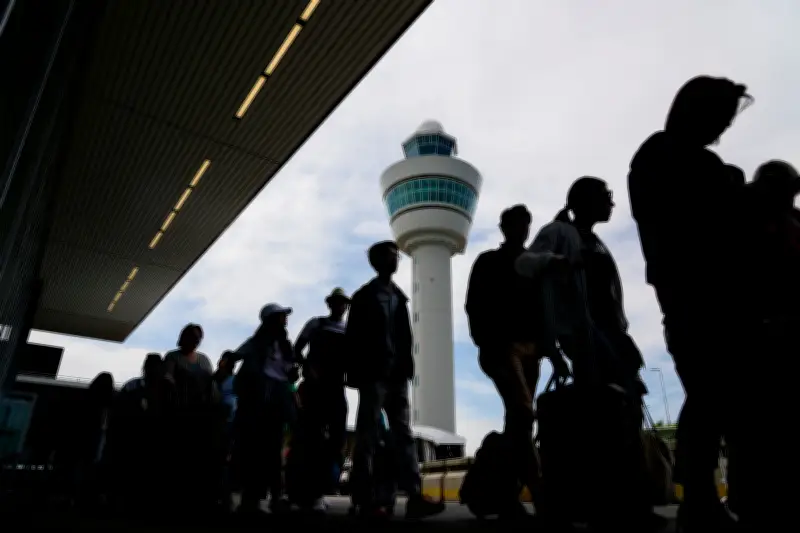
If you are planning to fly to Europe this summer, expect potential delays at border crossings due to the European Union's upcoming Entry/Exit System (EES). The new system, set to be implemented, will require non-EU travelers, including Canadians, to provide biometric data such as fingerprints and facial scans upon entry and exit from the Schengen Area.
What Canadians Need to Know
The EES is designed to enhance border security and streamline travel for frequent visitors, but initial rollout may cause longer wait times at airports and land borders. Canadians should arrive at the airport earlier than usual and ensure their travel documents are in order. The system will apply to all non-EU nationals, including those from Canada, who are traveling for short stays (up to 90 days within a 180-day period).
Impact on Travel Plans
Travel experts advise checking with airlines and border authorities for updates before departure. The EES is expected to be fully operational by the end of 2026, but phased implementation may begin earlier. Canadians should also be aware that the system will replace the current passport stamping process, making it easier to track overstays.

For more information, visit the official EU website or consult your travel agent. Stay informed and plan ahead to avoid disruptions during your European vacation.