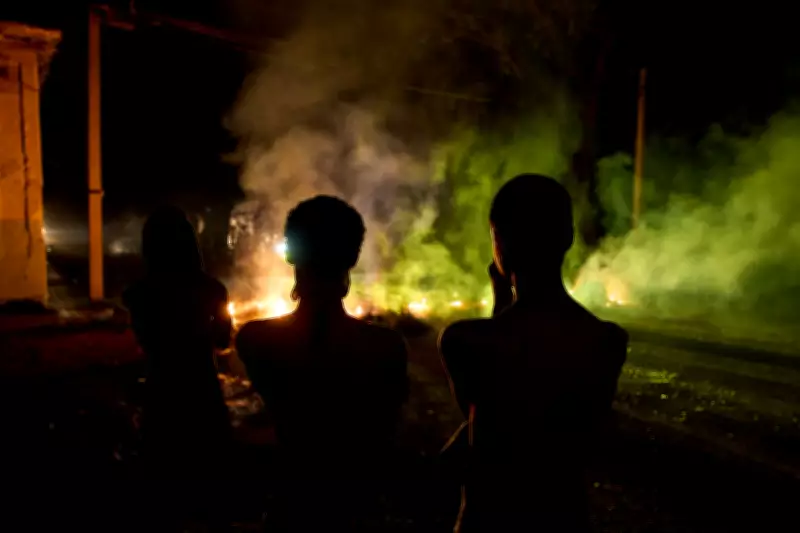
Cuba's power supply has plummeted to unprecedented lows, leading to extended blackouts across the nation. In Havana, residents have erected barricades to protest the ongoing electricity shortages, as seen in a recent photograph by AP photographer Ramon Espinosa.
Deepening Energy Crisis
The island nation's aging power grid, already strained by years of underinvestment and fuel shortages, has reached a critical point. Reports indicate that generation capacity has fallen sharply, leaving many neighborhoods without electricity for hours or even days at a time.
This latest downturn exacerbates a long-standing crisis. Cuba's economy, already battered by sanctions and the pandemic, faces further disruption as businesses and homes struggle to operate without reliable power. The blackouts have also affected water pumping, healthcare facilities, and food storage, raising concerns about public health and safety.

Protests and Public Outcry
In response, citizens have taken to the streets. In Havana, residents built barricades Wednesday to voice their anger and demand government action. The protests reflect growing frustration with the government's inability to ensure basic services.
Authorities have yet to announce a comprehensive plan to address the crisis. Meanwhile, experts warn that without significant investment in infrastructure and fuel supplies, the situation is likely to worsen.
The blackouts are a stark reminder of Cuba's broader economic challenges, which include high inflation, shortages of essential goods, and a declining currency. As the power grid falters, the daily lives of millions hang in the balance.