Coquitlam Mudslide Cleanup Progresses, But Home Access Remains Restricted
Cleanup crews have successfully carved a passage through a substantial mudslide that engulfed a critical roadway in north Coquitlam. However, access to residences in the affected area continues to be prohibited as authorities await comprehensive geotechnical safety evaluations.
Emergency Evacuation and Ongoing Restrictions
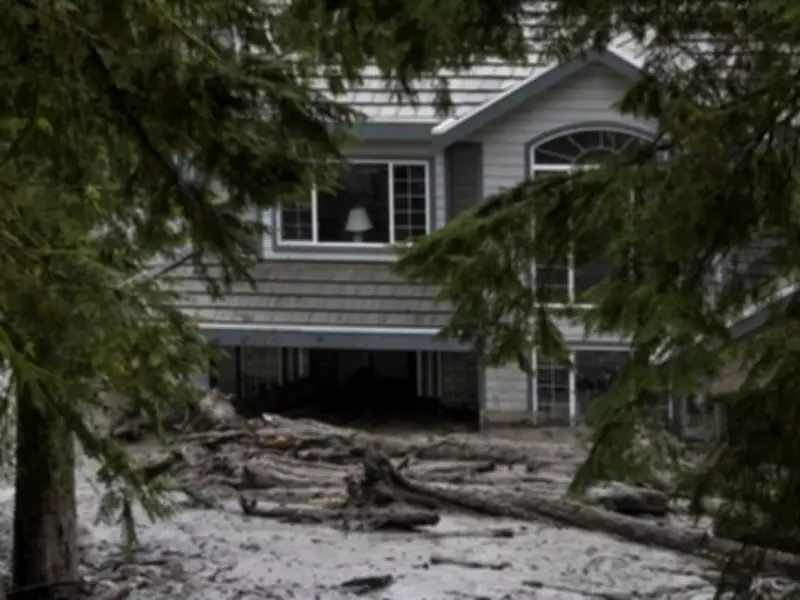
Last Thursday, emergency personnel executed a helicopter evacuation, airlifting eight individuals from four homes in the northern sector of Coquitlam. The mudslide impacted at least one residence and completely severed the sole access road, isolating the community. The incident unfolded along Pipeline Road, approximately 75 meters north of Upper Coquitlam River Park, near Metro Vancouver's Coquitlam water treatment plant. The debris field included trees, rocks, and substantial earth material.
Jaime Boan, Coquitlam's General Manager of Engineering and Public Works, emphasized the necessity of the ongoing restrictions. "We are awaiting geotechnical reports that will allow us to know how safe the area is and whether or not, and when, the public may be able to access the area, including the residents," stated Boan. He anticipates the assessment will be finalized within the coming days.

Cleanup Challenges and Weather Complications
While significant progress has been made in clearing a path through the mud flow, cleanup operations faced a setback on Tuesday due to renewed rainfall, forcing a temporary halt. Boan noted that mud and trees reached the rear of one home, as reported by Coquitlam Fire and Rescue officials. It remains premature to estimate the total duration required for complete debris removal, though officials acknowledge the task will be extensive.
The geotechnical assessment is expected to provide crucial insights into the mudslide's cause, the extent of damage to properties, associated risks, and potential mitigation strategies. Boan highlighted that the slide occurred along a creek course with a history of previous, though smaller, incidents. Preceding the event, the area received approximately 320 millimeters of rainfall, a significant amount but not unprecedented for the region.
Broader Context of Landslide Risks in British Columbia
This event occurs within a broader pattern of increasing landslide and debris flow activity in British Columbia, often linked to intense atmospheric river events. These weather phenomena, characterized by large plumes of tropical moisture crossing the Pacific Ocean, have become more frequent and severe, according to scientific forecasts. A notable atmospheric river in 2021 caused billions in damages and mass evacuations.
Heavy rains have previously triggered deadly landslides in the area, including a debris flow in October 2024 that resulted in a fatality when a Coquitlam home was swept away. John Clague, Professor Emeritus of Earth Sciences at Simon Fraser University and a leading natural hazards expert, commented on the typical nature of such events. "This type of debris flow or flood is not unusual in these type of gulleys, especially after heavy rains. You always find that water is involved," said Clague, who also serves as editor-in-chief of the scientific journal Natural Hazards.
Fortunately, a business located just south of the affected homes, Bedrock Natural Stone, reported no damage from the slide. The community now awaits the geotechnical findings that will determine the timeline for residents' safe return and guide future risk mitigation efforts in this vulnerable area.