British Columbia Declares State of Emergency Amid Severe Coastal Rainstorm
British Columbia has officially declared a state of emergency as relentless rainfall continues to pound coastal areas, triggering widespread alerts and mobilizing emergency response teams across the province. The decision comes amid escalating concerns over potential flooding, landslides, and significant disruptions to critical infrastructure and community safety.
Intense Rainfall and Immediate Impacts
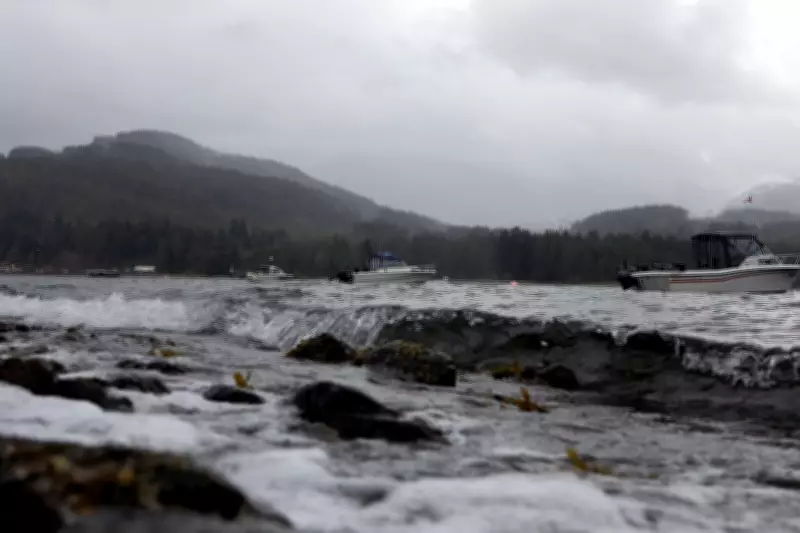
The coastal regions of British Columbia are experiencing exceptionally heavy precipitation, with weather forecasts indicating sustained downpours that could lead to dangerous conditions. Emergency officials have warned residents in low-lying and flood-prone areas to remain vigilant and prepare for possible evacuations if conditions deteriorate further. The persistent rain has already caused localized flooding, road closures, and challenges for transportation networks, particularly in communities along the Alberni Inlet and other vulnerable zones.
Key emergency measures include the activation of provincial resources to support local authorities, enhanced monitoring of river levels and soil stability, and public advisories urging caution. The state of emergency enables faster deployment of aid and coordination between government agencies, ensuring a unified response to the unfolding weather crisis.

Historical Context and Climate Considerations
This event echoes previous severe weather incidents in British Columbia, such as the atmospheric rivers that caused catastrophic flooding in recent years. Experts note that climate change may be intensifying rainfall patterns in the region, leading to more frequent and severe storms. The current situation underscores the ongoing vulnerability of coastal and mountainous areas to extreme weather, highlighting the need for robust preparedness and adaptive infrastructure.
Community resilience efforts are being tested as residents and officials work together to mitigate risks. Local volunteers and emergency services are on high alert, providing assistance with sandbagging, drainage management, and information dissemination to keep the public informed and safe.
Broader Implications and Response Strategies
The declaration of a state of emergency allows for expedited actions, such as potential travel restrictions, resource allocation, and inter-agency collaboration. Authorities are closely monitoring weather models to anticipate further developments and adjust response plans accordingly. Public health and safety remain the top priorities, with emphasis on protecting vulnerable populations and minimizing economic disruptions.
As the rain continues, residents are advised to stay updated through official channels, avoid unnecessary travel, and follow evacuation orders if issued. The provincial government has assured that all necessary steps are being taken to address the immediate threats and support recovery efforts once the storm subsides.