Barrie Reflects on Lessons from Last Year's Devastating Ice Storm
One year after a catastrophic ice storm struck Barrie, Ontario, the community is taking stock of the lessons learned to bolster resilience against future extreme weather events. The storm, which caused widespread power outages, property damage, and disruptions to daily life, has prompted local authorities and residents to reevaluate their preparedness strategies.
Assessing the Impact and Response
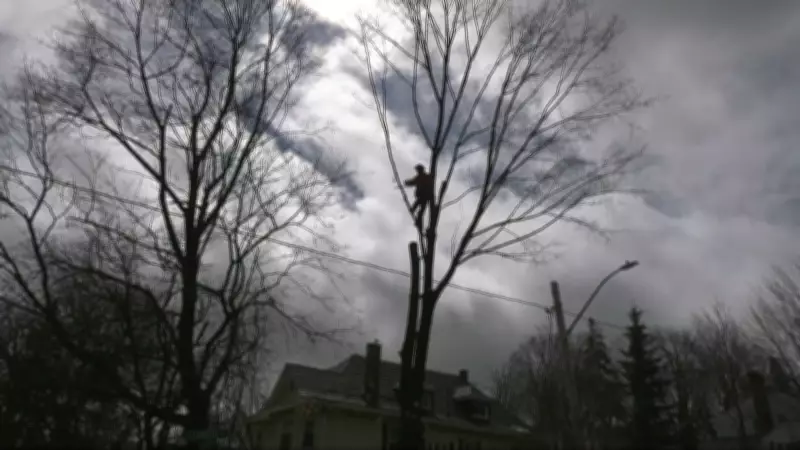
The ice storm, characterized by heavy freezing rain and strong winds, left thousands without electricity for days, highlighting vulnerabilities in the region's infrastructure. Emergency services were stretched thin as they responded to fallen trees, downed power lines, and hazardous road conditions. In the aftermath, Barrie has focused on improving communication systems, enhancing emergency response protocols, and investing in infrastructure upgrades to mitigate similar risks.
Community Resilience and Adaptation
Residents have played a crucial role in the recovery process, with many sharing stories of neighborly support and resourcefulness during the crisis. Local organizations have since organized workshops on emergency preparedness, encouraging households to create disaster kits and develop evacuation plans. These efforts aim to foster a culture of resilience, ensuring that the community is better equipped to handle future climate-related challenges.

Broader Implications for Climate Policy
The Barrie ice storm serves as a stark reminder of the increasing frequency and intensity of extreme weather events linked to climate change. Experts argue that such incidents underscore the need for proactive measures, including investments in green infrastructure and stronger environmental regulations. As Ontario continues to face unpredictable weather patterns, the lessons from Barrie could inform broader policy discussions on climate adaptation and sustainability.
Looking ahead, Barrie's experience highlights the importance of learning from past disasters to build a more resilient future. By integrating these insights into local planning and community initiatives, the city aims to reduce the impact of similar events and protect its residents in the years to come.