Atmospheric River Unleashes Torrential Rainfall on British Columbia
A significant atmospheric river event has swept across British Columbia, delivering substantial rainfall that has already surpassed 100 millimeters in many areas. This persistent weather system continues to pose serious threats, including heightened risks of flooding and landslides throughout the region.
Substantial Precipitation and Ongoing Risks
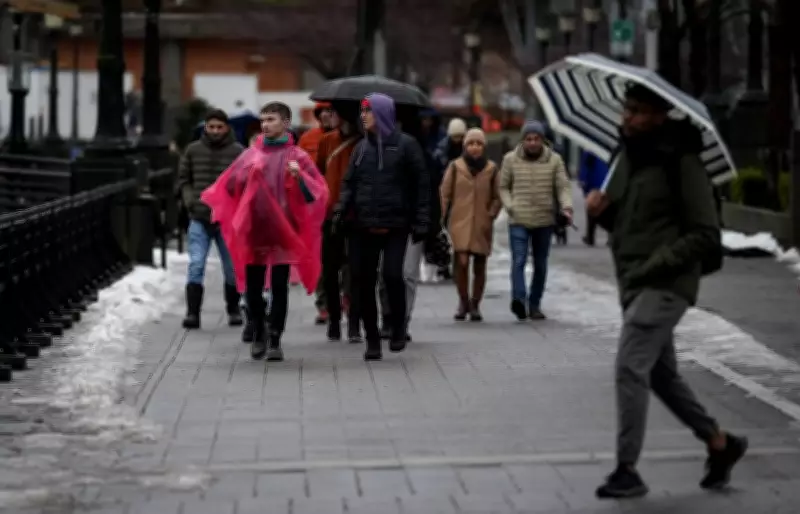
Meteorological reports confirm that the latest atmospheric river has dumped well over 100 millimeters of rain across various parts of British Columbia. The relentless downpour is expected to persist, bringing additional precipitation that could exacerbate existing hazardous conditions. Residents are advised to remain vigilant as the saturated ground increases the likelihood of mudslides and localized flooding.
This event follows a pattern of intense atmospheric rivers that have frequently impacted the Pacific Northwest in recent years. These narrow corridors of concentrated moisture transport vast amounts of water vapor from the tropics, often resulting in extreme rainfall when they make landfall. The current system is demonstrating classic characteristics of such events, with prolonged, heavy precipitation affecting both coastal and interior regions of the province.

Infrastructure and Transportation Disruptions
The severe weather has already led to significant disruptions. In northern British Columbia, a train derailment occurred following a mudslide, highlighting the direct impact of the saturated terrain on transportation infrastructure. Authorities are investigating the incident while managing the broader challenges posed by the ongoing rainfall.
Emergency services across British Columbia are on high alert, monitoring river levels and slope stability. Public safety advisories have been issued, urging residents to avoid unnecessary travel in affected areas and to prepare for potential evacuation orders if conditions deteriorate further. The combination of heavy rain and melting snowpack in higher elevations is particularly concerning, as it can lead to rapid river rises and flash flooding.
Broader Weather Patterns and Regional Impacts
While British Columbia grapples with this atmospheric river, other parts of Canada are experiencing contrasting extreme weather conditions. Alberta is facing powerful west winds nearing 100 kilometers per hour, while regions in Central Canada and the Maritimes have dealt with strong winds causing power outages. These events underscore the volatile and interconnected nature of North American weather systems during seasonal transitions.
Climate scientists note that atmospheric rivers are becoming more frequent and intense due to global warming, as warmer air holds more moisture. This trend suggests that British Columbia and the broader Pacific Northwest may need to adapt to increasingly severe precipitation events in the coming years, with implications for urban planning, infrastructure resilience, and emergency preparedness.