Arctic Blast to Grip Ottawa as Winter's Final Days Approach
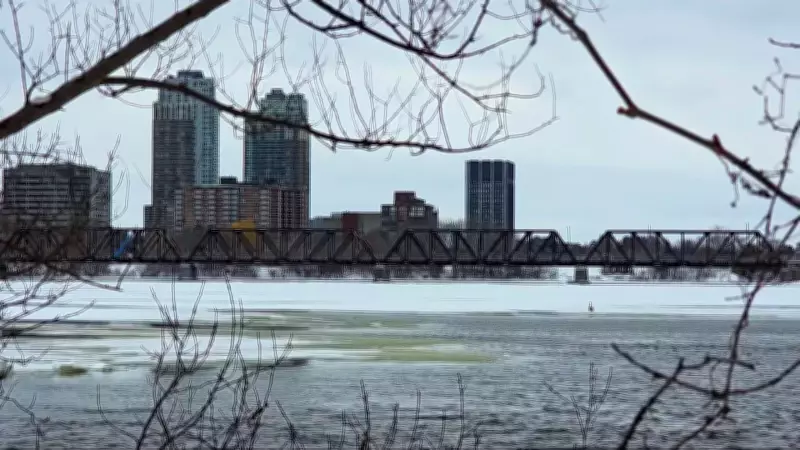
Ottawa is bracing for a significant cold snap that will envelop the city in frigid conditions during the concluding days of winter. Meteorologists are forecasting temperatures to plummet well below seasonal norms, creating a harsh and potentially hazardous environment for residents. This sudden drop in mercury is attributed to a powerful Arctic air mass sweeping across Central Canada, bringing with it biting winds and icy chills that could persist for several days.
Impacts on Daily Life and Infrastructure
The impending cold spell is expected to disrupt daily routines and strain local infrastructure. Authorities are urging citizens to take necessary precautions, such as ensuring proper insulation in homes and vehicles to prevent freezing pipes and mechanical failures. Public health officials have issued advisories warning of increased risks for frostbite and hypothermia, particularly for vulnerable populations including the elderly and homeless individuals. Additionally, the extreme cold may lead to heightened energy demands as heating systems work overtime, potentially causing power fluctuations or outages in some areas.
Transportation networks could also face challenges, with roads and sidewalks becoming slick from ice formation, increasing the likelihood of accidents and delays. Schools and businesses might consider adjusting schedules or implementing remote operations to minimize exposure to the dangerous conditions. Emergency services are on high alert, prepared to respond to weather-related incidents swiftly and efficiently.

Broader Environmental and Climate Context
This cold event occurs amidst ongoing discussions about climate change and its effects on seasonal weather patterns. While winter storms and Arctic outbreaks are not uncommon in Canada, some experts suggest that such extreme fluctuations may become more frequent or intense due to global warming. The juxtaposition of severe cold with rising average temperatures highlights the complexity of climate dynamics, prompting further research into how anthropogenic factors influence regional weather systems.
In the short term, residents are advised to stay informed through local weather updates and heed any official warnings. Community support initiatives, such as warming centers and check-in programs for isolated individuals, are being mobilized to ensure safety and well-being during this challenging period. As Ottawa endures this final winter blast, it serves as a reminder of the region's resilience and the importance of preparedness in the face of nature's unpredictability.