Western Canada Confronts Severe Weather Threats
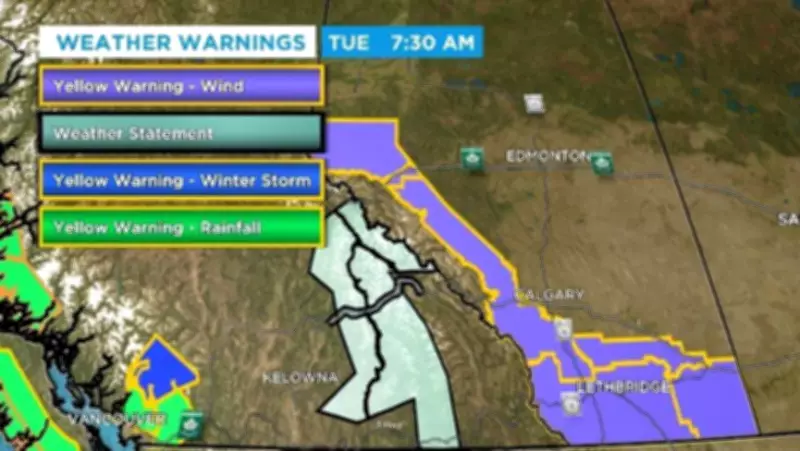
Alberta and British Columbia are grappling with significant weather challenges this week, as forecasters issue warnings for potentially dangerous conditions. In Alberta, residents are bracing for west winds that could reach speeds near 100 kilometers per hour, posing risks of property damage, power outages, and hazardous travel. Meanwhile, British Columbia faces a heightened threat of flooding and landslides, driven by heavy rainfall and rapid snowmelt from warmer temperatures.
Alberta's Windstorm Concerns
The Sky Watch Weather Centre has highlighted the wind event in Alberta, with gusts expected to peak in the coming days. These strong winds may lead to downed trees, flying debris, and disruptions to transportation networks. Authorities are urging caution, especially for drivers of high-profile vehicles and those in exposed rural areas. The windstorm is part of a broader pattern of volatile weather affecting Central Canada, where recent events have left thousands without power.
British Columbia's Flood and Landslide Risks
In British Columbia, the combination of an atmospheric river bringing intense precipitation and rising temperatures accelerating snow and ice melt has elevated the risk of flooding and landslides. This situation is exacerbated by previous incidents, such as a train derailment caused by a mudslide in northern B.C. Emergency services are on alert, advising residents in low-lying and slope-prone regions to prepare for potential evacuations and to avoid unnecessary travel.

Broader Weather Impacts Across Canada
The severe weather in Western Canada contrasts with other regions, such as Toronto experiencing a deep freeze and the Maritimes seeing winds ease as temperatures fall. These variations underscore the diverse climatic challenges facing the nation. Additionally, environmental factors like El Niño could contribute to more wild weather patterns in the future, as noted in recent climate reports.
As communities respond to these immediate threats, ongoing efforts in environmental protection face hurdles due to federal funding cuts, highlighting the need for sustained investment in resilience and adaptation strategies.