Afghanistan Grapples with Deadly Winter Weather Crisis
Authorities in Afghanistan have reported a tragic toll from severe winter conditions that have battered the country over a three-day period. According to the nation's disaster management authority, heavy snowfall and intense rainfall have led to the deaths of 61 individuals, with an additional 110 people sustaining injuries.
Widespread Impact Across the Country
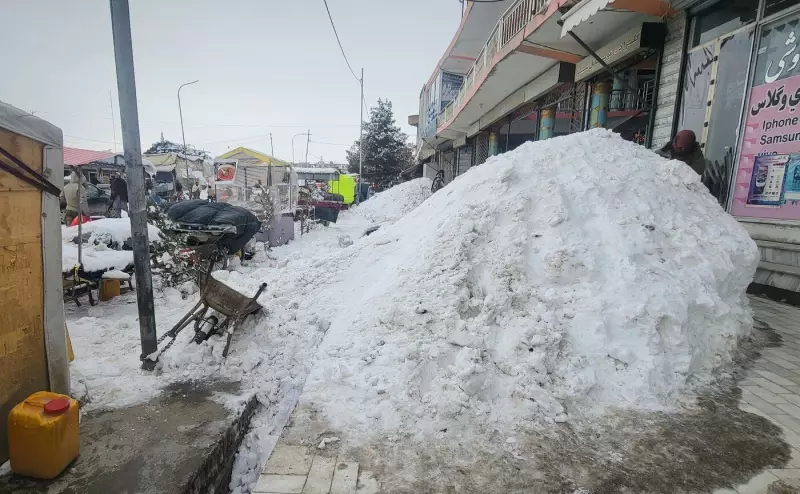
The extreme weather event has affected multiple regions, causing significant disruption and danger to communities. The town of Ghazni, located southwest of the capital Kabul, was among the areas heavily impacted, with streets blanketed in deep snow as documented in recent photographs. The combination of heavy precipitation and freezing temperatures has created hazardous conditions that have overwhelmed local response capabilities in many parts of the country.
Challenges for Disaster Response
Afghanistan's disaster management authority confirmed the casualties on Saturday, highlighting the scale of the emergency. The authority faces considerable challenges in reaching affected populations due to damaged infrastructure and blocked transportation routes. The timing of this weather crisis compounds existing humanitarian concerns in the region, where many communities already struggle with limited resources and access to essential services.

Emergency services are working to assess the full extent of the damage and provide assistance to those in need. The situation underscores the vulnerability of populations in regions prone to extreme weather events, particularly when such conditions coincide with existing socioeconomic challenges.
Broader Context of Winter Hazards
This devastating weather event in Afghanistan occurs amid a global pattern of severe winter conditions affecting various regions. While the specific circumstances in Afghanistan are unique to its geography and infrastructure, the incident highlights the universal risks posed by extreme winter weather to human safety and community resilience.
The disaster management authority continues to monitor the situation closely and coordinate response efforts as weather conditions potentially evolve. The coming days will be critical for recovery operations and assessing the long-term impact on affected communities.