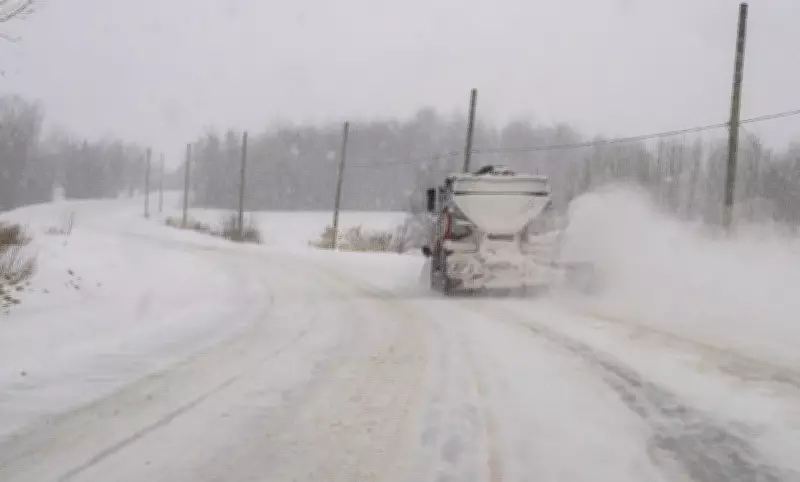
A powerful and disruptive winter storm has blanketed Quebec's Abitibi region with a massive snowfall, delivering up to 50 centimeters of snow. This significant March weather event has led to hazardous travel conditions, school closures, and considerable strain on municipal snow-clearing operations across the affected area.
Widespread Disruption and Hazardous Conditions
The storm, which intensified throughout the day, brought not only heavy snow but also gusty winds, creating near-blizzard conditions in some locales. Visibility was severely reduced on major highways and secondary roads, prompting authorities to advise against all non-essential travel. Local police reported multiple vehicles off the road and urged residents to stay home if possible. The sheer volume of snow has overwhelmed standard plowing schedules, with crews working around the clock to clear priority routes for emergency services.
Impact on Daily Life and Infrastructure
The abrupt return to deep winter has disrupted daily life. Several school districts in the Abitibi-Témiscamingue administrative region preemptively canceled classes for safety. Power outages have been reported in isolated rural communities where heavy, wet snow has weighed down power lines. Municipalities have declared significant weather events, activating emergency protocols and requesting public patience as crews tackle the monumental cleanup task. The storm's timing, well into March, has caught many residents off guard, delaying anticipated spring thaw activities.

Forecasters note that while the core of the storm has passed, lingering flurries and blowing snow will continue to cause issues. Temperatures are expected to remain below freezing, ensuring the snowpack will stay for several days, complicating recovery efforts. This event underscores the volatility of late-winter weather patterns in Northern Quebec, where significant snowfall can occur well beyond the traditional winter season.