A long-term grizzly bear monitoring project in Alberta is set to continue through 2026, providing critical data on population numbers and health trends. The project, led by Alberta Environment and Parks, uses non-invasive methods such as DNA sampling from hair traps and remote camera stations to track grizzly bears across the province.
Project scope and methodology
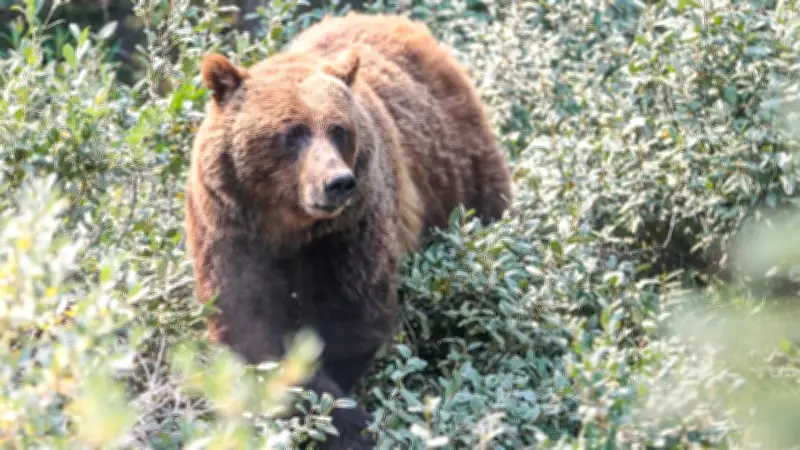
The monitoring initiative covers key grizzly bear habitats in the Rocky Mountain and foothills regions, including Kananaskis Country, where a grizzly bear was photographed feasting on buffalo berries along the Smith Dorrien Trail in Spray Valley Provincial Park in July 2021. Researchers collect hair samples from barbed-wire enclosures baited with scent lures, allowing genetic analysis to identify individual bears and estimate population density. Camera traps provide additional data on bear movements, behavior, and reproduction.
According to the provincial government, the project aims to establish reliable population estimates and trend data to inform management decisions. The monitoring is part of Alberta's Grizzly Bear Recovery Plan, which was updated in 2020 to address habitat connectivity and human-bear conflicts.

Population estimates and trends
Alberta's grizzly bear population is estimated at around 700 to 900 individuals, though precise numbers have been difficult to determine due to the species' wide-ranging nature and remote habitat. The monitoring project has already provided valuable insights, including evidence of stable or slightly increasing populations in some areas, according to wildlife biologists. However, challenges remain, including habitat fragmentation from roads and industrial development, as well as climate change impacts on food sources like berries and whitebark pine nuts.
“This project is essential for understanding how grizzly bears are faring in Alberta,” said a spokesperson for Alberta Environment and Parks. “The data we collect helps us make informed decisions about habitat protection, land-use planning, and conflict prevention.”
Human-bear conflict management
The monitoring project also supports efforts to reduce human-bear conflicts, which have been a growing concern as recreation and resource extraction expand into bear habitat. By identifying bear movement patterns and high-use areas, officials can implement measures such as attractant management, warning signs, and seasonal closures. In 2025, Alberta recorded 42 human-bear conflicts, down from 58 in 2024, according to provincial data. The project's findings are shared with local communities, outdoor enthusiasts, and industry to promote coexistence.
Funding for the project comes from the Alberta Conservation Association and the provincial government, with additional support from academic partners like the University of Alberta. The project is expected to produce final reports by late 2026, which will guide future recovery efforts.