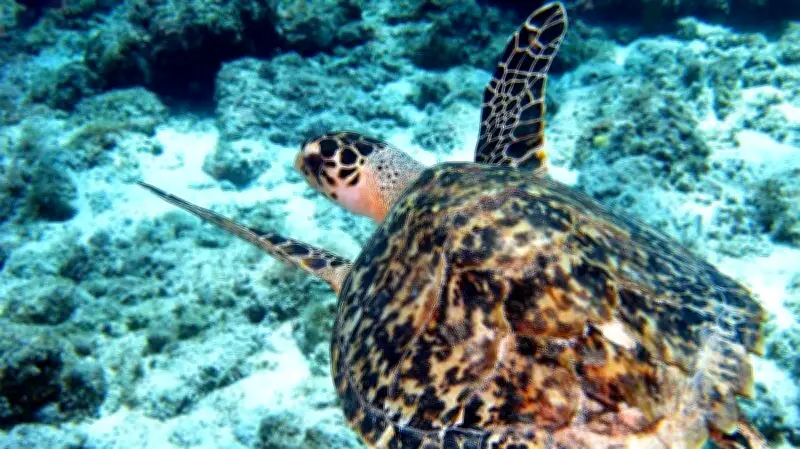
A new global DNA database is being developed to combat the illegal trade of sea turtles, which threatens endangered species like hawksbill and green turtles. The initiative, announced by conservation groups and researchers, will allow authorities to trace poached turtles and their products—such as shells, meat, and eggs—back to specific nesting beaches, helping to identify trafficking hotspots and enforce wildlife protection laws.
How the Database Works
The database will store genetic profiles of sea turtles from known nesting sites around the world. When authorities seize turtle products, they can compare DNA samples against the database to determine the geographic origin of the animals. This forensic tool is expected to aid investigations and prosecutions under the Convention on International Trade in Endangered Species (CITES).
According to the lead researcher, Dr. Elena Marquez of the University of Florida, This database will give law enforcement a powerful new tool to disrupt trafficking networks and protect sea turtle populations.
The project involves collaboration with multiple universities, NGOs, and government agencies, and aims to include data from all major sea turtle nesting beaches.

Impact on Conservation
Illegal trade remains a major threat to sea turtles, with thousands killed annually for their shells, meat, and eggs. The database is expected to increase the risk for traffickers by making it easier to link illegal products to specific locations, thereby enabling targeted enforcement and deterring poaching. Conservationists hope this will reduce mortality and support population recovery.
The initiative has received funding from the Global Environment Facility and is supported by the CITES Secretariat. A pilot project in the Caribbean and Southeast Asia has already shown promising results, with DNA matching helping to convict traffickers in several cases.