Vancouver is challenging the norm by situating its two new AI data centres in the urban core, a move that proponents claim will make these energy-intensive facilities more environmentally sustainable than their rural counterparts.
Urban AI Centres: A Greener Approach
Kieran McConnell, president of Vancouver-based Creative Energy, argues that rural data centres consume vast amounts of electricity or natural gas, driving up rates for others without offsetting the demand. In contrast, urban centres can use electricity twice: first to power AI chips, then to heat buildings.
Creative Energy operates an existing downtown underground pipe network that delivers energy to 215 buildings. These pipes will capture the heat byproduct from AI centres and redistribute it to heat connected buildings. “You’re using all that electricity a second time to also heat homes. So you’re reducing the societal strain of a data centre,” McConnell said.

Federal and Corporate Partnerships
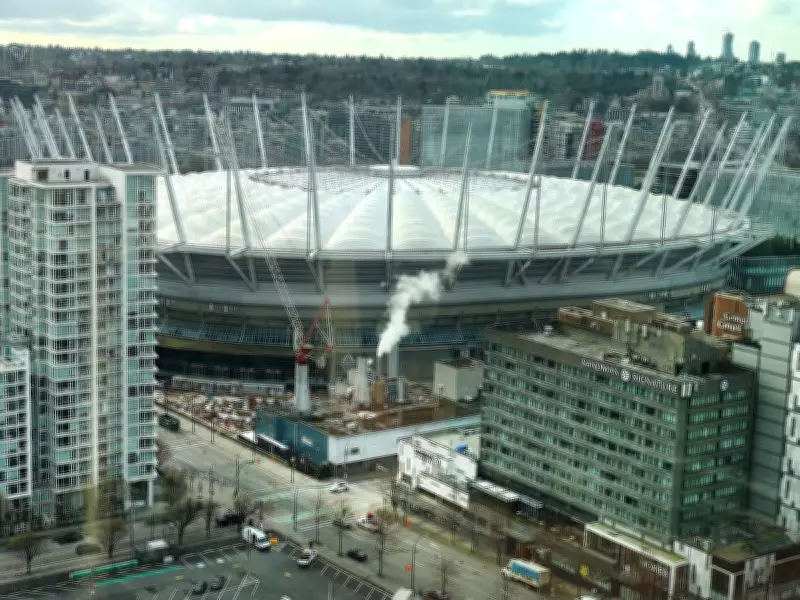
On Monday, the federal government announced a partnership with Telus and developer Westbank to create an “AI Factory” in Kamloops this year, open a smaller M3 facility in Mount Pleasant later this year, and build a large new data centre at 150 West Georgia St. by 2029. McConnell’s company is located at the Georgia site, which is under construction to accommodate the future centre.
Two-thirds of new data centres planned for the U.S. are in rural areas, according to the Pew Research Centre. In Canada, Alberta’s massive Wonder Valley data centre is proposed on undeveloped land south of Grande Prairie.
Waste Heat Recovery: A Novel Application
Capturing waste heat is not new, but applying it to AI centres—which typically expel heat into the air—is innovative. This approach is only used in a few places in Europe and elsewhere, McConnell noted. “I think this proposal would set a new standard for data centres across North America, because they are sustainable in ways that have not been implemented elsewhere,” he said, though he acknowledged it is less feasible for rural sites.
Environmental Concerns Remain
Organizations such as Environmental Defence and the Green Party of B.C. have raised concerns about the environmental impacts of these centres. Green Leader Emily Lowan stated, “Telus’s claim that their centres will be powered by 98 per cent clean energy is dubious at best. We’re already importing American coal-powered electricity to deal with our energy crisis. This energy crisis is caused by drought conditions, which will only be made worse by the extensive water usage of data centres.”
Chris Madan, a Telus vice-president heading the AI factories, insisted in an email that the three facilities would be “the most sustainable AI data centres in the world.” He explained that B.C.’s centres will use a “closed loop” system to circulate liquid directly to the chips, significantly reducing water consumption. Part of the plan to reduce water usage includes collecting the millions of litres of water that pool annually on the roof of B.C. Place Stadium.