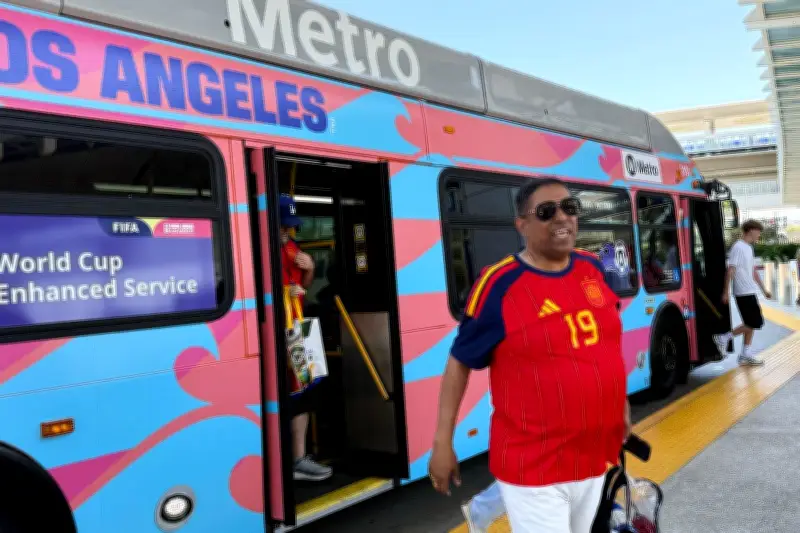
Los Angeles is using the 2026 World Cup as a proving ground for its upgraded public transit system and to test plans for a car-free Olympics. The city aims to demonstrate that major events can be held without overwhelming traffic, a key goal for the 2028 Summer Games.
Transit Upgrades on Display
The Metropolitan Transportation Authority has expanded rail lines, added bus rapid transit routes, and improved last-mile connections to venues. During the World Cup, thousands of fans have used shuttles and trains to reach SoFi Stadium and other match locations. According to the LA Metro, ridership on game days has increased by 40% compared to normal weekends, with over 200,000 additional trips per match day.
Car-Free Olympics Vision
Los Angeles Mayor Karen Bass stated, "We are proving that a car-free Olympics is not just a dream but a real possibility. The World Cup gives us a live testbed." The city plans to rely on a fleet of electric shuttles, expanded bike lanes, and remote parking lots with direct transit connections. Officials are monitoring traffic patterns and crowd flows to refine the strategy.

Challenges and Adjustments
Some challenges remain, including coordinating multiple agencies and managing last-mile gaps. However, early data shows a 15% reduction in vehicle miles traveled in areas near stadiums. The city is also using dynamic pricing for parking and encouraging ridesharing. "Every event is a learning opportunity," said LA Metro CEO Stephanie Wiggins. "We are collecting data to make 2028 the most sustainable Olympics yet."