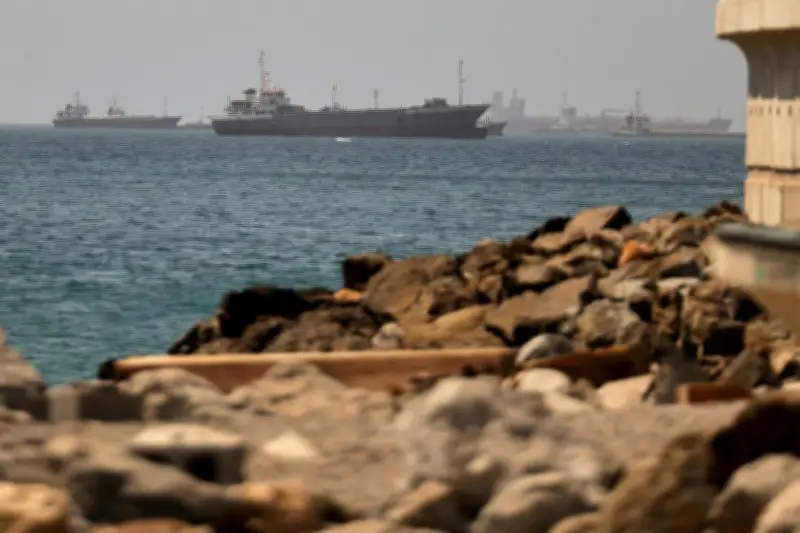
Ship traffic through the Strait of Hormuz has surged following a recent war deal, according to tracking data from maritime monitors. The increase marks a significant shift in one of the world's most critical oil and gas chokepoints, which had seen reduced activity due to heightened geopolitical tensions.
Tracking Data Shows Sharp Rise
Maritime tracking services reported a notable uptick in the number of tankers and cargo vessels transiting the strait in recent days. The data indicates that traffic levels have returned to near pre-conflict volumes, suggesting that the agreement has helped restore confidence among shippers and insurers.
The Strait of Hormuz connects the Persian Gulf with the Gulf of Oman and the Arabian Sea, handling about one-fifth of the world's oil consumption. Any disruption to traffic through this narrow waterway can have major implications for global energy markets.

Impact of the War Deal
The war deal, brokered by international mediators, includes provisions aimed at de-escalating military posturing in the region. Analysts believe that the agreement has reduced the risk of attacks on commercial vessels, leading to a rebound in shipping activity.
“This is a positive development for global energy security,” said a maritime security expert. “The increase in traffic shows that the deal is already having a tangible effect on the ground.”
Regional Reactions
Governments in the region have welcomed the rise in traffic as a sign of stability. However, some caution that the situation remains fragile and that continued monitoring is necessary to ensure long-term security.
Shipping companies have begun to resume normal operations, with several major carriers announcing the resumption of routes that had been suspended during the conflict. Insurance premiums for vessels passing through the strait have also reportedly declined.
Global Energy Markets
The rebound in Hormuz traffic has contributed to a slight easing of oil prices, as markets factor in improved supply reliability. Traders are now watching for further developments that could solidify the positive trend.
Environmental groups have also noted the increase in traffic, calling for enhanced safety measures to prevent accidents and spills in the ecologically sensitive waterway.