Sisters Meagan and Sarah Gartlan, co-homeowners of a semi-detached house near Bloor Street West and Dufferin Street in Toronto, faced a bleak front yard a few years ago. It was, as Meagan describes, “a parking spot” covered in “ugly paving stones and very stubborn grass.” They tore up the pavement, brought in a truckload of organic compost, and planted herb seedlings. Within a couple of seasons, skullcap, yarrow, anise hyssop, rhubarb, wild ginger, shiitake mushroom logs, and a hidden patch of lettuce and kale flourished where stones and grass once stood.
Neighbourly Curiosity and the Shift to Edible Front Yards
The transition was not without notice. Sarah recalls a neighbour remarking, “Sarah, the whole neighbourhood is wondering what you’re doing with your garden.” The sisters admit the garden is “not perfectly tidy” and “there’s a lot going on.” This tension—between a productive food garden and maintaining expected curb appeal—is at the heart of a gradual shift on urban residential streets. Homeowners increasingly want both: a garden that feeds them and one that pleases the neighbours. According to designers who create these gardens, it is possible.
Designers on Merging Food and Beauty
Chris Wong, owner of Young Urban Farmers, a company that designs edible gardens for homeowners, has observed the old hesitation around food gardens erode. “The front yard is often the only patch of a property with enough sun for vegetables to thrive,” Wong says. “It’s prime food-growing real estate, but it doesn’t have to look like a farm. Food and beauty are not mutually exclusive.”

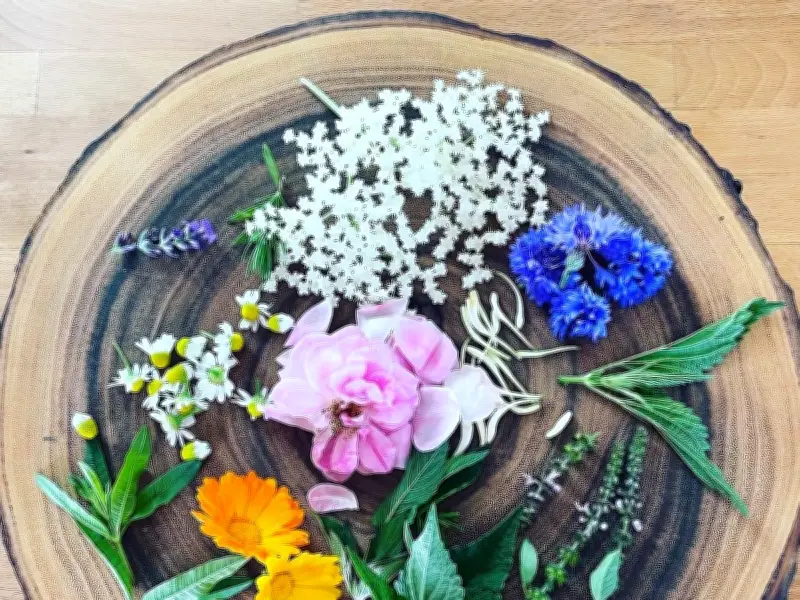
Maria Solakofski runs Wild by Nature, an urban botanical farm out of her front and back yards. She acknowledges the social pressure: “People really care what is on the outside of your house.” Her front yard bursts with arnica, echinacea, peonies, lavender, St. John’s Wort, and other entirely edible flowers stretching to the sidewalk. She uses these plants to produce teas, oils, and tinctures sold at Evergreen Brickworks in Toronto. “I wanted something beautiful to look at, but it has to stay wild in my way,” she explains. Her garden includes herbs, edible flowers, vegetables, berries, fruit trees, and even an almond tree—which she believes “might be the only one in Toronto.”
Practical Advice for Aspiring Edible Gardeners
Solakofski, an herbalist, grows over 70 varieties of herbs. She recommends gardeners first consider their motivations: saving on grocery bills, making organic teas, or having fresh greens for salads. Once the goal is clear, they should assess time commitment—daily gardening versus an hour on weekends. The design can then balance productivity with aesthetics, ensuring the front yard remains a welcoming sight.