Environmental groups are demanding that the newly announced Alberta pipeline deal include explicit decarbonization commitments, arguing that without them, Canada risks entrenching fossil fuel infrastructure for decades. The deal, touted by Prime Minister Mark Carney as a “nation-building project,” has drawn sharp criticism from advocacy organizations who say it lacks the climate ambition needed to meet Canada’s emission reduction targets.
What the Deal Entails
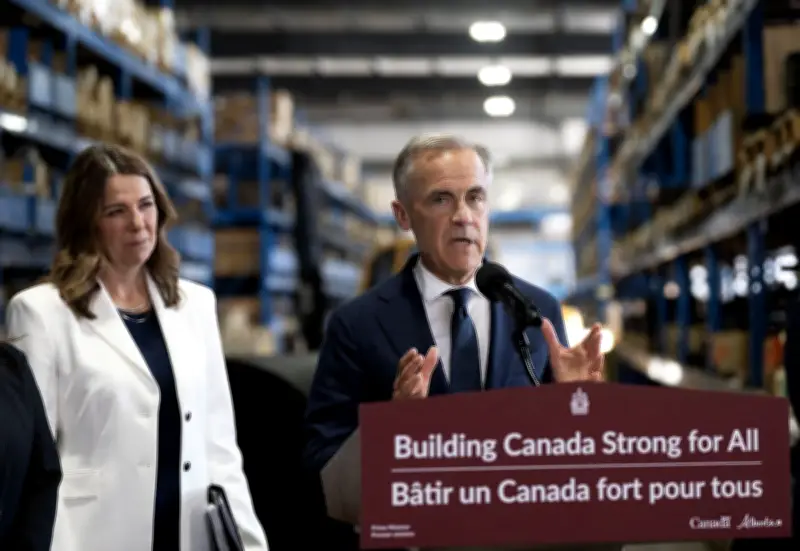
The pipeline agreement, reached between the federal government and Alberta Premier Danielle Smith, aims to expand oil export capacity from Alberta to the Pacific Coast. Carney emphasized the project’s economic benefits, stating, “You asked for it, we promised it, now we are delivering.” Smith called it “a nation-building project” that would create thousands of jobs and boost provincial revenues.
However, environmental groups counter that the deal fails to align with Canada’s commitment to reach net-zero emissions by 2050. “Without a clear timeline and binding targets for decarbonizing the oil sands, this pipeline locks us into high-carbon infrastructure for another 40 years,” said Sarah MacIntyre, policy director at the Canadian Climate Institute.

Key Criticisms
Among the most vocal opponents is the Sierra Club Canada, which released a statement calling the deal “a step backward.” The group noted that the pipeline would increase upstream emissions by an estimated 15 million tonnes of CO2 annually—equivalent to adding 3.2 million cars to the road. “We need to see a concrete plan for reducing emissions intensity in the oil sands, not just vague promises,” said MacIntyre.
The Pembina Institute echoed these concerns, urging the government to tie pipeline approvals to enforceable decarbonization milestones. “The federal government has a responsibility to ensure that any new fossil fuel infrastructure is consistent with our climate goals,” said spokesperson James Robson. “This deal appears to sidestep that obligation.”
Government and Industry Response
Prime Minister Carney defended the deal, arguing that it includes provisions for carbon capture and storage (CCS) investments. “We are not choosing between the economy and the environment,” he said during a press conference. “This pipeline will be built with the highest environmental standards and will help fund the transition to a clean energy future.”
Premier Smith added that Alberta’s oil sands producers have already reduced emissions intensity by 30% since 2014 and are committed to further reductions. “Alberta is part of the solution to climate change,” she said. “We are investing in technology that will make our oil the cleanest in the world.”
Industry groups like the Canadian Association of Petroleum Producers (CAPP) welcomed the deal, noting that it provides certainty for investors. “This pipeline is essential for getting Canadian oil to global markets and reducing our reliance on U.S. infrastructure,” said CAPP CEO Tim McMillan.
Broader Implications
The debate comes amid growing tensions over Canada’s energy strategy. British Columbia has maintained its oil tanker ban off the north coast, which environmental groups say is critical for protecting marine ecosystems. Federal Conservative leader Pierre Poilievre has called for scrapping the ban, arguing it “gets the government out of the way” of economic development.
Meanwhile, a separate energy framework deal between Ottawa and B.C. sets the stage for the Alberta pipeline, according to Natural Resources Minister Jonathan Wilkinson. The framework includes commitments to clean energy projects and Indigenous consultation, but critics say it falls short on emissions accounting.
As the pipeline moves toward regulatory review, environmental groups vow to keep up the pressure. “We will be watching every step of the process,” said MacIntyre. “Canadians deserve a climate plan that matches the urgency of the crisis, not one that deepens our dependence on oil.”