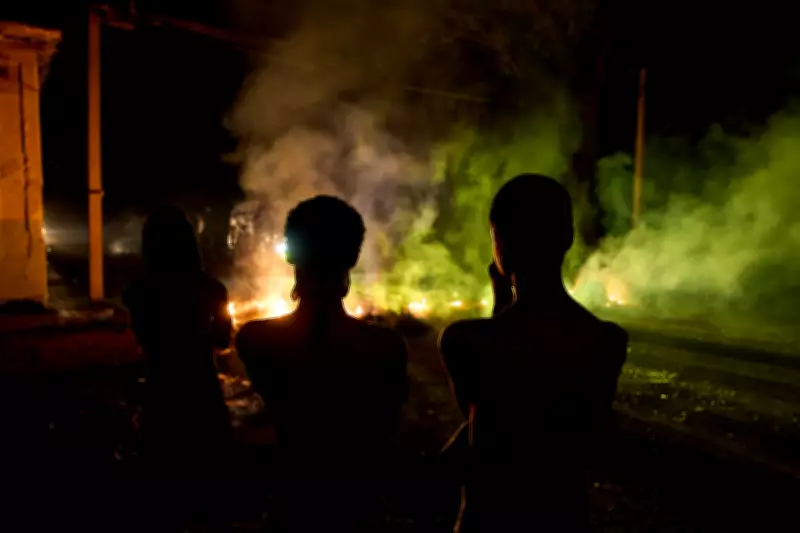
Cuba's power supply has plummeted to unprecedented lows, exacerbating an already severe energy crisis and triggering protests in the capital, Havana. Residents took to the streets on Wednesday, May 13, 2026, erecting barricades to voice their frustration over prolonged blackouts that have crippled daily life.
Dramatic Worsening of Power Supply
The latest drop in electricity generation marks a "dramatic worsening" of the situation, according to reports. The island nation has been grappling with chronic power shortages for months, but recent outages have become more frequent and prolonged, leaving many neighborhoods without electricity for hours or even days at a time.
In Havana, residents blocked roads with debris and burning tires, demanding urgent action from the government. The protests reflect growing anger over the government's inability to stabilize the power grid, which has been plagued by aging infrastructure, fuel shortages, and economic sanctions.

Impact on Daily Life
The power outages have disrupted essential services, including water supply, healthcare, and food preservation. Hospitals are relying on backup generators, but fuel shortages threaten their operation. Businesses have been forced to close early or shut down entirely, deepening the economic crisis.
Many Cubans have resorted to using candles and kerosene lamps for lighting, increasing the risk of fires. The lack of refrigeration has led to spoilage of food and medicines, raising public health concerns.
Government Response
The Cuban government has acknowledged the severity of the crisis and announced measures to prioritize electricity for hospitals and other critical facilities. However, officials have also blamed the U.S. trade embargo for exacerbating the fuel shortage, making it difficult to import necessary supplies for power generation.
In recent weeks, the government has implemented rotating blackouts to manage demand, but these have become longer and more unpredictable. The energy ministry has warned that the situation could worsen before improving, as the country enters the summer months when electricity demand typically peaks.
International Context
The power crisis in Cuba is part of a broader economic downturn, with the country facing its worst recession in decades. The collapse of tourism during the pandemic, coupled with tightening sanctions under the Trump administration, has severely limited Cuba's access to hard currency and imported goods.
International observers have called for humanitarian aid to address the immediate needs of the Cuban people, but political tensions continue to hinder large-scale assistance. The United Nations has urged all parties to prioritize the well-being of civilians.
As the crisis deepens, Cubans are bracing for more hardship. The protests in Havana are a stark reminder of the growing desperation among a population that has endured years of scarcity and uncertainty.