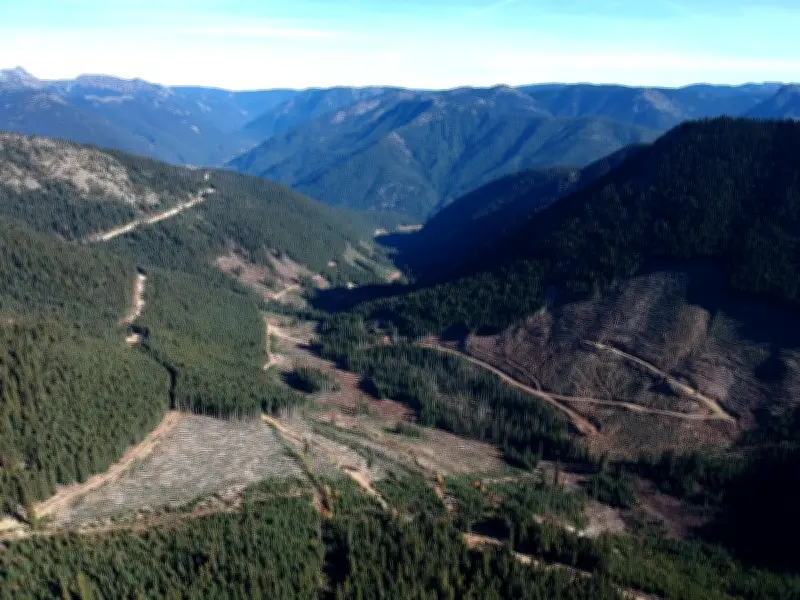
The Outdoor Recreation Council of B.C. has launched a survey to identify which of the province's 600,000 kilometres of resource roads are most critical for outdoor recreation, as many fall into disrepair and threaten access to popular backcountry areas.
Mount Cheam access road exemplifies the problem
Hikers attempting to climb Chilliwack's iconic Mount Cheam have faced a bruising ride to the trailhead due to a boulder-strewn washout on the access road. A Facebook page dedicated to the road features photos of four-wheel-driving feats and discussions about lift kits, tire sizes, and winches, with advice like 'I just needed to remove my running board.' Mount Cheam is one of dozens of recreation areas across B.C. where poor road conditions limit access.
Survey aims to prioritize critical roads
The survey, opened last week, asks the public to report on the condition and importance of roads they use. Louise Pedersen, executive director of the Outdoor Recreation Council, said the response has been 'unprecedented.' She noted that many people have experienced challenges reaching lakes, campsites, or trails they have visited for years. No one expects every metre of road to be maintained, but creating an inventory is the first step toward discussions with the B.C. government about saving the most important routes.

Resource roads built for industry, not recreation
Many backcountry roads were originally built by resource companies for logging, mining, or power projects, explained Monika Bittel, advocacy chairperson with the Federation of Mountain Clubs of B.C. When projects end, the company retains liability and must follow a process to decommission the road. 'Their mandate is not recreation,' she said. While the province maintains some roads to high-value sites, they may be deactivated when costs become too high. Climate change is increasing damage from storms, wildfires, and rock slides, leading to more road losses.
Incomappleux road deactivation sparks concern
In the Kootenays, off-road users and landowners have asked the province to maintain foot and ATV access on the Incomappleux Forest Service Road. After a rock slide 20 years ago damaged a key bridge, concerns about safety and lack of funds prompted the government to announce deactivation of the road, which provides access to about 150 private properties. The access road to Cathedral Lake Park was also closed for several years after a bridge was destroyed by wildfire, though it was recently repaired.
Next steps for preserving access
The Outdoor Recreation Council plans to use survey results to prioritize roads for maintenance and advocate for funding. Pedersen emphasized that the goal is not to maintain every road but to preserve those most vital for recreation. The council hopes to engage with the provincial government and industry to find solutions, as the loss of road access affects not only hikers but also campers, anglers, hunters, skiers, and snowmobilers across B.C.