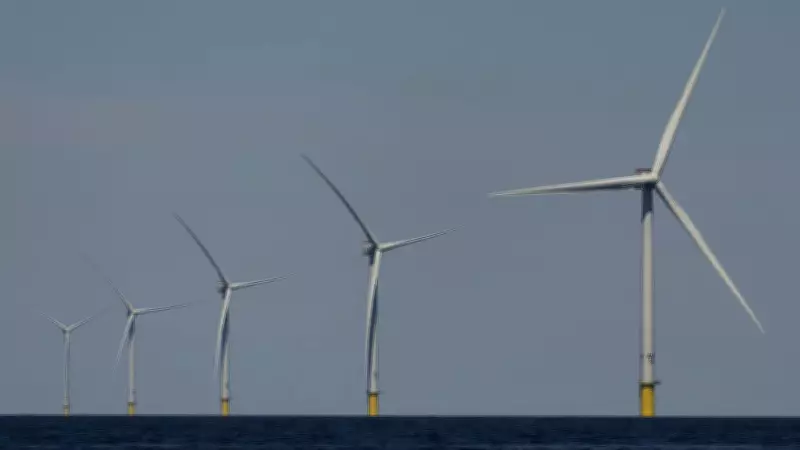
Atlantic chiefs are calling for greater Indigenous collaboration in the development of offshore wind farms, emphasizing the need for partnership and shared economic benefits. The call comes as wind turbines operate at the Vineyard Wind 1 offshore wind farm off the coast of Massachusetts, highlighting the potential for similar projects in Atlantic Canada.
Indigenous Leaders Seek Meaningful Engagement
Indigenous leaders argue that their communities must be involved from the outset in planning and decision-making processes for offshore wind projects. They stress that collaboration can lead to sustainable development that respects traditional territories and provides economic opportunities.
Economic and Environmental Benefits
Offshore wind energy offers significant environmental advantages by reducing greenhouse gas emissions and reliance on fossil fuels. For Indigenous communities, involvement can bring jobs, revenue sharing, and infrastructure improvements. Leaders are advocating for a framework that ensures equitable participation.

The push for collaboration aligns with broader trends in renewable energy, where partnerships with Indigenous groups have proven successful in other regions. By working together, stakeholders can address concerns about environmental impacts and cultural heritage while advancing clean energy goals.